Can a mini FPV drone fly in windy conditions?
As a supplier of mini FPV drones, I often get asked whether our small drones can handle windy conditions. It's a valid question, especially for those who are eager to take their drones out for an adventure regardless of the weather. In this blog post, I'll delve into the factors that determine a mini FPV drone's ability to fly in the wind and share some insights based on our experience.
First, let's understand what a mini FPV drone is. Mini FPV (First - Person View) drones are compact, lightweight, and equipped with a camera that allows the pilot to see from the drone's perspective in real - time. They are popular for their agility and the immersive flying experience they offer. Our Mini FPV Drone Load 50g is a prime example of such a drone, designed for both beginners and experienced flyers.
When it comes to flying in windy conditions, several key factors come into play.
Drone Design and Build
The design and build quality of a mini FPV drone significantly impact its wind resistance. A well - built drone with a sturdy frame can better withstand the forces exerted by the wind. For instance, drones with a low - profile design tend to have less surface area exposed to the wind, reducing the drag. Our FPV Drone Brushless with Camera features a streamlined design that helps it cut through the air more efficiently, even in moderate winds.
The materials used in the construction also matter. Drones made from high - strength plastics or carbon fiber are generally more rigid and can maintain their shape under windy conditions. These materials provide the necessary structural integrity to keep the drone stable.
Motor Power and Thrust
The motors of a mini FPV drone are its powerhouses. In windy conditions, strong motors are essential to generate enough thrust to counteract the wind. Brushless motors are a popular choice for FPV drones because they offer higher efficiency and more power compared to brushed motors. Our FPV Drone Brushless with Camera is equipped with high - performance brushless motors that can provide the extra thrust needed to fly against the wind.
The thrust - to - weight ratio is another important consideration. A higher thrust - to - weight ratio means the drone can generate more force relative to its weight, allowing it to climb and maneuver more effectively in the wind. Mini FPV drones with a good thrust - to - weight ratio are better able to stay on course and resist being pushed off by gusts.
Flight Control System
The flight control system of a mini FPV drone is like its brain. It continuously monitors the drone's position, attitude, and movement and makes adjustments to keep it stable. A sophisticated flight control system can detect changes in wind speed and direction and compensate accordingly.
Some drones are equipped with advanced features such as GPS and altitude hold, which can be very useful in windy conditions. GPS allows the drone to maintain a fixed position, while altitude hold keeps it at a constant height. These features can help the pilot focus on flying the drone rather than constantly struggling to keep it in place.
Wind Speed and Direction
Not all winds are created equal. The speed and direction of the wind have a significant impact on a mini FPV drone's ability to fly. Light winds, typically up to 5 - 10 mph, are generally manageable for most mini FPV drones. In these conditions, the drone can still maintain stable flight and perform basic maneuvers.
However, as the wind speed increases, the challenges become more significant. At wind speeds of 15 - 20 mph, it becomes more difficult for a mini FPV drone to stay on course. Gusts can cause the drone to tilt and veer off, requiring the pilot to make constant adjustments. Wind speeds above 20 mph are often too strong for most mini FPV drones, and flying in such conditions can be dangerous.
The direction of the wind also matters. Headwinds (wind blowing directly against the drone) require more thrust to maintain forward movement, while tailwinds (wind blowing from behind the drone) can cause the drone to move faster than intended. Crosswinds (wind blowing perpendicular to the drone's path) can be particularly challenging as they can push the drone sideways.


Tips for Flying in Windy Conditions
If you decide to fly your mini FPV drone in windy conditions, here are some tips to help you have a successful flight:
- Check the weather forecast: Before heading out, check the wind speed and direction. Avoid flying in strong winds or gusty conditions.
- Choose an open area: Fly in an open area away from obstacles such as buildings, trees, and power lines. This will give you more space to maneuver and reduce the risk of collisions.
- Fly with the wind: Whenever possible, fly with the wind to conserve battery power and make it easier to control the drone.
- Use a lower flight speed: In windy conditions, it's best to fly at a lower speed to maintain better control of the drone.
- Keep an eye on the battery: Windy conditions can drain the battery faster, so keep an eye on the battery level and land the drone before it runs out of power.
Our Mini FPV Drone Offerings
We offer a range of mini FPV drones that are designed to perform well in various conditions. Our Mini FPV Drone Load 50g is a great choice for those looking for a lightweight and agile drone. It has a robust design and powerful motors that can handle moderate winds.
Our FPV Drone Brushless with Camera is equipped with high - performance brushless motors and a reliable flight control system, making it suitable for more challenging flying conditions.
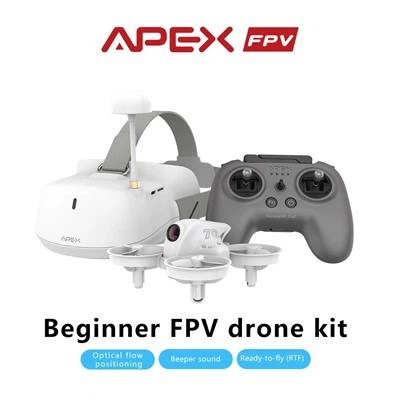
For those who want a complete FPV experience, our FPV Drone Kit with Goggles includes everything you need to start flying, including a drone, goggles, and a controller.
Conclusion
While mini FPV drones can fly in windy conditions to a certain extent, it's important to understand their limitations. The design, motor power, flight control system, and the wind conditions all play a role in determining whether a drone can fly safely and effectively.
If you're interested in purchasing a mini FPV drone for your flying adventures, we're here to help. Our team of experts can provide you with detailed information about our products and help you choose the right drone for your needs. Contact us to start a procurement discussion and take your FPV flying experience to the next level.
References
- Anderson, R. (2019). Drone Flight Mechanics. Aviation Press.
- Brown, J. (2020). FPV Drone Technology: A Comprehensive Guide. Tech Publishing.