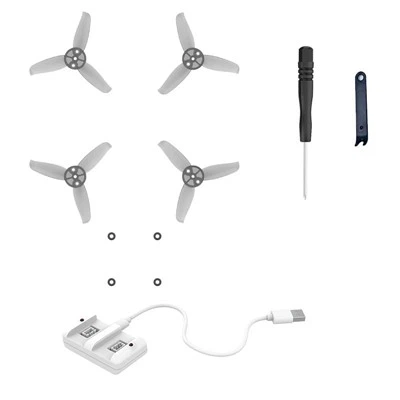
Adjusting the sensitivity of an RC radio transmitter pink supports for FPV simulators is a crucial skill for both novice and experienced drone enthusiasts. As a supplier of RC Radio Transmitter Pink Supports FPV Simulators, I understand the importance of fine - tuning these devices to ensure optimal performance and an immersive FPV experience. In this blog, I will guide you through the process of adjusting the sensitivity of your RC radio transmitter, providing you with practical tips and techniques to enhance your flying skills.
Understanding Sensitivity in RC Radio Transmitters
Before delving into the adjustment process, it is essential to understand what sensitivity means in the context of RC radio transmitters. Sensitivity refers to how much the transmitter responds to the movement of its controls. A high - sensitivity setting means that a small movement of the joystick or other controls will result in a large change in the output signal sent to the drone. Conversely, a low - sensitivity setting requires a larger movement of the controls to achieve the same change in the output signal.
The right sensitivity setting depends on various factors, including your flying style, the type of drone you are using, and the specific FPV simulator you are running. For example, if you are a beginner, you may prefer a lower sensitivity setting to have more control over your drone's movements. On the other hand, experienced pilots might opt for a higher sensitivity setting to perform more advanced maneuvers.
Pre - adjustment Checks
Before you start adjusting the sensitivity of your RC radio transmitter, there are a few pre - adjustment checks you should perform:
- Check the Battery: Ensure that your RC radio transmitter is fully charged. A low - battery condition can affect the performance of the transmitter and lead to inaccurate sensitivity settings. You can consider using a Battery for EDU Drone 3.7V 1000mah to ensure stable power supply.
- Inspect the Controls: Examine the joysticks, switches, and other controls on your transmitter for any signs of damage or wear. A damaged control can cause erratic behavior and make it difficult to adjust the sensitivity accurately.
- Connect to the FPV Simulator: Make sure your RC radio transmitter is properly connected to the FPV simulator. This may involve using a USB cable or a wireless connection, depending on the type of transmitter and simulator you are using.
Adjusting the Sensitivity
The process of adjusting the sensitivity of an RC radio transmitter can vary depending on the make and model of the transmitter. However, the general steps are as follows:
- Access the Menu: Most RC radio transmitters have a menu system that allows you to access various settings, including sensitivity. Use the buttons or dials on your transmitter to navigate to the sensitivity settings menu.
- Select the Axis: In the sensitivity settings menu, you will typically be able to adjust the sensitivity for each axis (e.g., pitch, roll, yaw, and throttle). Select the axis you want to adjust.
- Adjust the Sensitivity: Once you have selected the axis, you can adjust the sensitivity using the up and down buttons or dials on your transmitter. Increasing the sensitivity will make the transmitter more responsive to small movements of the controls, while decreasing the sensitivity will make it less responsive.
- Test the Settings: After making an adjustment, test the new sensitivity setting in the FPV simulator. Fly the drone and observe how it responds to your control inputs. If the drone is too sensitive or not sensitive enough, make further adjustments until you achieve the desired level of control.
Tips for Fine - Tuning Sensitivity
Here are some tips to help you fine - tune the sensitivity of your RC radio transmitter:
- Start with a Low Sensitivity: If you are a beginner, start with a low sensitivity setting. This will give you more control over your drone's movements and help you avoid over - controlling the drone. As you gain more experience, you can gradually increase the sensitivity.
- Use Incremental Adjustments: When adjusting the sensitivity, make small incremental changes. This will allow you to fine - tune the settings more accurately and avoid making drastic changes that could affect your flying performance.
- Consider the Flying Environment: The sensitivity setting that works well in one flying environment may not work as well in another. For example, if you are flying in a confined space, you may need a lower sensitivity setting to have more precise control over your drone.
- Experiment with Different Settings: Don't be afraid to experiment with different sensitivity settings to find the one that works best for you. Everyone has a different flying style, so what works for one person may not work for another.
Compatibility with FPV Simulators
It is important to ensure that your RC radio transmitter is compatible with the FPV simulator you are using. Most modern FPV simulators support a wide range of RC radio transmitters, but there may be some compatibility issues.
When choosing an RC radio transmitter, make sure it has the necessary features and connectivity options to work with your FPV simulator. For example, some simulators require a USB connection, while others support wireless connections.
Our RC Radio Transmitter Pink Supports FPV Simulators is designed to be compatible with a variety of FPV simulators, providing you with a seamless and immersive flying experience.
Troubleshooting Sensitivity Issues
If you are experiencing issues with the sensitivity of your RC radio transmitter, here are some troubleshooting steps you can take:
- Check for Interference: Interference from other electronic devices can affect the performance of your RC radio transmitter. Make sure there are no other devices nearby that could be causing interference.
- Update the Firmware: Sometimes, sensitivity issues can be caused by outdated firmware. Check the manufacturer's website for firmware updates for your RC radio transmitter and install them if available.
- Calibrate the Transmitter: If the sensitivity settings seem off, try calibrating your RC radio transmitter. Calibration ensures that the transmitter is accurately detecting the movement of the controls.
Maintenance and Care
Proper maintenance and care of your RC radio transmitter can help ensure its long - term performance and reliability. Here are some maintenance tips:


- Keep it Clean: Regularly clean the controls and the body of your RC radio transmitter to remove dust and debris. Use a soft, dry cloth to wipe the surfaces.
- Store it Properly: When not in use, store your RC radio transmitter in a cool, dry place. Avoid exposing it to extreme temperatures or humidity.
- Replace Worn Parts: If you notice any signs of wear or damage on the controls or other parts of your RC radio transmitter, replace them as soon as possible. You can find replacement parts such as the 716 Coreless Brushed Motor for VR70 FPV Drone on our website.
Conclusion
Adjusting the sensitivity of an RC radio transmitter for FPV simulators is an important skill that can enhance your flying experience. By following the steps and tips outlined in this blog, you can fine - tune the sensitivity of your transmitter to suit your flying style and the specific requirements of your FPV simulator.
If you are interested in purchasing our RC Radio Transmitter Pink Supports FPV Simulators or other drone accessories, we encourage you to contact us for a procurement discussion. We are always ready to assist you in finding the right products for your needs.
References
- Various RC radio transmitter user manuals.
- FPV simulator documentation.