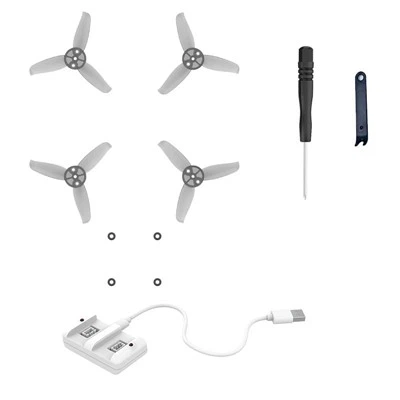
In the realm of modern drone technology, FPV (First-Person View) drones have emerged as a thrilling innovation, offering users an immersive flying experience like never before. Among the various features that enhance the capabilities of FPV drones, the head tracking mode stands out as a game-changer, revolutionizing the way pilots interact with their drones. As a dedicated supplier of FPV Drone with Head Tracking Mode, I am excited to delve into the topic of the stability of an FPV drone with head tracking mode, exploring its significance, influencing factors, and benefits.
Understanding Head Tracking Mode in FPV Drones
Head tracking mode is a sophisticated feature that enables the FPV drone to mirror the movements of the pilot's head in real-time. By wearing a specialized headset equipped with motion sensors, the pilot can control the direction of the drone's camera simply by moving their head. This intuitive control mechanism provides a more immersive and natural flying experience, allowing pilots to explore the skies with greater freedom and precision.
Importance of Stability in FPV Drones
Stability is a crucial aspect of any FPV drone, regardless of its features. A stable drone is easier to control, produces smoother footage, and is less prone to crashes. In the context of head tracking mode, stability becomes even more important, as any instability in the drone can lead to jerky camera movements, making it difficult for the pilot to navigate and enjoy the flying experience.


Factors Affecting the Stability of an FPV Drone with Head Tracking Mode
Several factors can influence the stability of an FPV drone with head tracking mode. Understanding these factors is essential for ensuring optimal performance and a seamless flying experience.
1. Drone Design and Build Quality
- Frame Design: The design of the drone's frame plays a significant role in its stability. A well-designed frame should provide a balanced distribution of weight and aerodynamic properties, reducing the impact of external forces such as wind and turbulence.
- Materials: The choice of materials used in the construction of the drone also affects its stability. High-quality materials, such as carbon fiber, are known for their strength and lightweight properties, which can contribute to better stability and maneuverability.
2. Flight Controller and Sensors
- Flight Controller: The flight controller is the brain of the drone, responsible for processing sensor data and controlling the motors to maintain stability. A high-performance flight controller with advanced algorithms can provide better stability and responsiveness, even in challenging flying conditions.
- Sensors: FPV drones are equipped with various sensors, such as accelerometers, gyroscopes, and magnetometers, which provide real-time information about the drone's orientation, speed, and position. Accurate and reliable sensors are essential for maintaining stability and ensuring smooth flight.
3. Headset Calibration
- Proper Calibration: The accuracy of the head tracking mode depends on the proper calibration of the headset. If the headset is not calibrated correctly, the drone may not respond accurately to the pilot's head movements, leading to instability and a less immersive flying experience.
4. Environmental Conditions
- Wind and Turbulence: Strong winds and turbulence can significantly affect the stability of an FPV drone. Pilots should avoid flying in adverse weather conditions and choose calm and stable environments for optimal performance.
- Interference: Electronic interference from other devices, such as mobile phones, Wi-Fi routers, and other drones, can also disrupt the signal between the headset and the drone, leading to instability and loss of control.
Benefits of a Stable FPV Drone with Head Tracking Mode
A stable FPV drone with head tracking mode offers several benefits for pilots of all skill levels.
1. Immersive Flying Experience
- Real-Time Control: The head tracking mode allows pilots to control the drone's camera with their head movements, providing a more immersive and natural flying experience. Pilots can explore the skies from different angles and perspectives, just as if they were flying the drone themselves.
2. Smooth and Professional Footage
- Stable Camera Movements: A stable drone ensures smooth and professional-looking footage, free from jerky movements and vibrations. This is especially important for aerial photography and videography enthusiasts who want to capture high-quality footage of their flights.
3. Easier Navigation
- Intuitive Control: The head tracking mode simplifies the navigation process, making it easier for pilots to control the drone's direction and altitude. Pilots can focus on enjoying the flight without having to worry about complex controls and maneuvers.
4. Improved Safety
- Reduced Risk of Crashes: A stable drone is less prone to crashes, reducing the risk of damage to the drone and potential injuries to the pilot. The head tracking mode allows pilots to react quickly to unexpected situations, such as obstacles or changes in weather conditions.
Ensuring the Stability of Your FPV Drone with Head Tracking Mode
As a supplier of FPV Drone with Head Tracking Mode, I understand the importance of ensuring the stability of your drone. Here are some tips to help you maintain optimal stability and performance:
- Choose a high-quality drone: Invest in a reputable brand and model of FPV drone that is known for its stability and performance. Look for drones with a well-designed frame, high-performance flight controller, and reliable sensors.
- Calibrate your headset regularly: Proper calibration of the headset is essential for accurate head tracking and stable flight. Follow the manufacturer's instructions carefully to ensure that the headset is calibrated correctly.
- Check the environmental conditions: Before flying, check the weather forecast and avoid flying in adverse conditions such as strong winds, rain, or fog. Choose a calm and open area away from obstacles and other flying objects.
- Perform pre-flight checks: Before each flight, perform a thorough pre-flight check of your drone to ensure that all components are working properly. Check the battery level, propellers, and flight controller for any signs of damage or malfunction.
- Practice flying in different conditions: To improve your flying skills and confidence, practice flying your drone in different conditions and environments. Start with calm and open areas and gradually increase the difficulty level as you gain more experience.
Conclusion
In conclusion, the stability of an FPV drone with head tracking mode is a crucial factor that can significantly enhance the flying experience. By understanding the factors that affect stability and taking the necessary steps to ensure optimal performance, pilots can enjoy a more immersive, smooth, and safe flying experience. As a supplier of FPV Drone with Head Tracking Mode, I am committed to providing high-quality drones and accessories that meet the needs of pilots of all skill levels. If you are interested in purchasing an FPV drone with head tracking mode or have any questions about our products, please feel free to contact us for more information. We look forward to helping you take your flying experience to the next level.
References
- Anderson, B. (2020). FPV Drone Handbook: A Comprehensive Guide to Flying and Building First-Person View Drones. CreateSpace Independent Publishing Platform.
- Smith, J. (2019). The Ultimate Guide to FPV Drones: Everything You Need to Know About Flying and Building First-Person View Drones. Amazon Digital Services LLC.
- Wilson, R. (2021). FPV Drone Racing: A Beginner's Guide to Building, Flying, and Competing. Simon & Schuster.