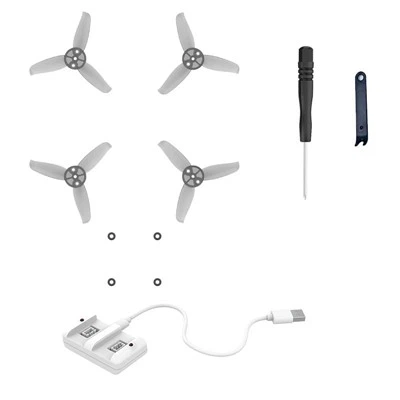
As a supplier of FPV Drone Kit Ready To Fly, I often get asked about the types of batteries these kits use. Understanding the right battery for your FPV drone is crucial for optimal performance, flight time, and safety. In this blog post, I'll delve into the various battery types commonly used in FPV Drone Kits Ready To Fly and provide insights to help you make an informed decision.
Lithium - Polymer (Li - Po) Batteries
Li - Po batteries are the most popular choice for FPV drones, including those in our FPV Drone Kit Ready To Fly. These batteries offer a high energy - to - weight ratio, which is essential for drones as it allows them to carry more power without adding excessive weight.
One of the key advantages of Li - Po batteries is their high discharge rate. FPV drones often require a large amount of power in short bursts, especially during aggressive maneuvers such as high - speed dives and sharp turns. Li - Po batteries can deliver this power quickly, ensuring that the drone's motors receive the necessary energy to perform these actions.
Another benefit is their flexibility in terms of shape and size. Li - Po batteries can be manufactured in various shapes, making them easy to fit into different drone designs. This is particularly important for FPV drones, which come in a wide range of sizes and configurations.
However, Li - Po batteries also have some drawbacks. They are more sensitive to overcharging and over - discharging compared to other battery types. Overcharging can cause the battery to swell, overheat, and in extreme cases, catch fire. Over - discharging can damage the battery's cells, reducing its overall lifespan. Therefore, it is essential to use a proper charger with built - in safety features and to monitor the battery's voltage during use.
Nickel - Metal Hydride (NiMH) Batteries
NiMH batteries were once a popular choice for RC vehicles, including some early FPV drones. They are more robust than Li - Po batteries in terms of handling overcharging and over - discharging. NiMH batteries can tolerate a wider range of charging and discharging conditions without significant damage.
They also have a relatively long lifespan compared to some other battery types. A well - maintained NiMH battery can last for hundreds of charge - discharge cycles. Additionally, NiMH batteries do not suffer from the "memory effect" as much as older nickel - cadmium (NiCd) batteries, which means they can be recharged at any state of charge without losing capacity.
However, NiMH batteries have a lower energy density than Li - Po batteries. This means that for the same weight, a NiMH battery will store less energy, resulting in shorter flight times for FPV drones. They also have a slower discharge rate, which may not be sufficient for high - performance FPV drones that require quick bursts of power.

Lithium - Ion (Li - Ion) Batteries
Li - Ion batteries are similar to Li - Po batteries in many ways, as they both use lithium - based chemistry. However, Li - Ion batteries typically have a more rigid structure and are often found in cylindrical or prismatic shapes.
Li - Ion batteries offer a good balance between energy density and safety. They have a relatively high energy - to - weight ratio, which allows for decent flight times in FPV drones. They are also less prone to swelling and thermal runaway compared to Li - Po batteries, making them a safer option in some cases.
On the downside, Li - Ion batteries are generally more expensive than Li - Po batteries. Their rigid shape can also be a limitation when it comes to fitting them into the compact and irregularly shaped frames of FPV drones.
Factors to Consider When Choosing a Battery for Your FPV Drone
When selecting a battery for your FPV drone, several factors should be taken into account:
Voltage
The voltage of the battery determines the power output of the drone's motors. Higher voltage batteries can provide more power, resulting in faster speeds and better performance. However, the drone's electronic speed controllers (ESCs) and motors must be compatible with the battery voltage. Most FPV drones use 3S (11.1V), 4S (14.8V), or 6S (22.2V) Li - Po batteries.
Capacity
Battery capacity is measured in milliampere - hours (mAh). A higher capacity battery can store more energy, which generally means longer flight times. However, increasing the capacity also increases the weight of the battery, which can affect the drone's maneuverability.
Discharge Rate
The discharge rate, measured in C - ratings, indicates how quickly the battery can deliver its stored energy. A higher C - rating means the battery can provide more power in a short period, which is important for high - performance FPV drones.
Weight
As mentioned earlier, the weight of the battery can significantly impact the drone's flight performance. Lighter batteries allow for better maneuverability and longer flight times, but they may have lower capacities.
Our FPV Drone Kits and Battery Options
In our FPV Drone Kit Ready To Fly, we typically include high - quality Li - Po batteries. These batteries are carefully selected to provide the best balance of performance, flight time, and safety.
For example, our FPV Drone 13 Inch Load 6 - 7 kg is designed to handle heavier payloads, and it comes with a high - capacity Li - Po battery to ensure sufficient power for the additional weight.
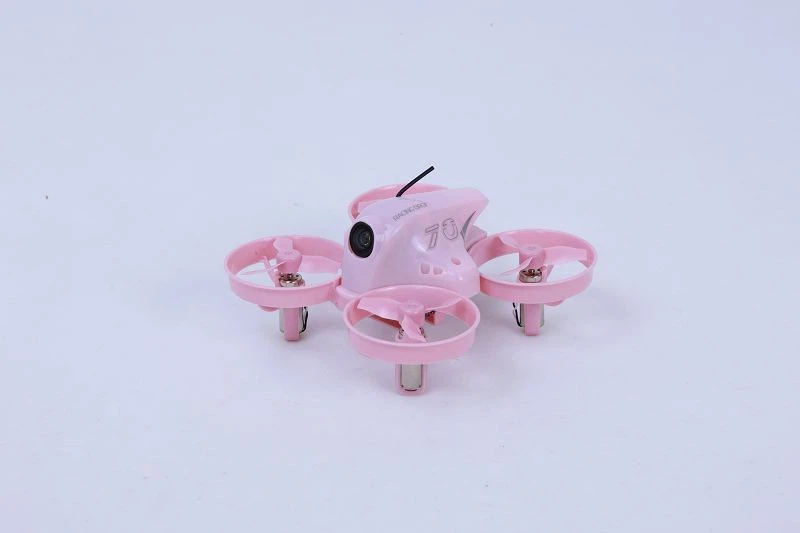
Our FPV Drone Kit with Goggles Pink is a more compact and lightweight option, so we pair it with a smaller, lighter Li - Po battery that still provides decent flight times without compromising on performance.
Conclusion
Choosing the right battery for your FPV drone is a critical decision that can affect its performance, flight time, and safety. While Li - Po batteries are the most common choice due to their high energy density and discharge rate, other options such as NiMH and Li - Ion batteries also have their advantages.
As a supplier of FPV Drone Kits Ready To Fly, we are committed to providing our customers with the best battery options for their needs. Whether you are a beginner looking for a reliable and easy - to - use battery or an experienced pilot seeking high - performance power, we have the right solution for you.
If you are interested in purchasing our FPV Drone Kits or have any questions about the batteries we use, please feel free to contact us for a procurement discussion. We are here to help you make the best choice for your FPV flying experience.
References
- Battery University. "Lithium - Polymer (Li - Po)."
- RC Groups. "Battery Basics for RC Drones."
- FPV Know It All. "Choosing the Right Battery for Your FPV Drone."