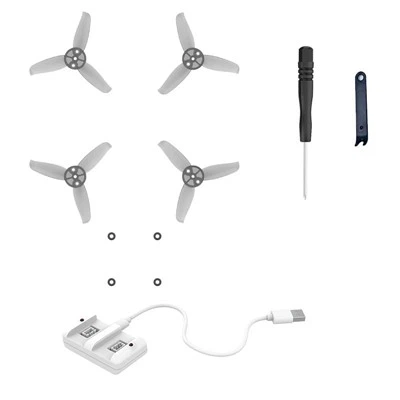
Hey there, fellow FPV drone enthusiasts! I'm an FPV drone with a shouting device supplier, and today, I'm super excited to dig into a topic that's been on my mind a lot lately: the signal interference resistance of an FPV drone with a shouting device.
Let's start by understanding what we're dealing with here. An FPV (First - Person View) drone is a type of unmanned aerial vehicle that allows the pilot to see from the drone's perspective in real - time. And when we add a shouting device to it, it opens up a whole new world of possibilities, like delivering messages or alerts from the sky.
How Signal Interference Works
Before we talk about how an FPV drone with a shouting device can resist signal interference, we need to know what causes it. Signal interference can come from a bunch of different sources. For example, other electronic devices in the area can emit electromagnetic waves that mess with the drone's signal. Think about Wi - Fi routers, cell phones, or even microwave ovens. They all operate on certain frequencies, and if these frequencies overlap with the ones used by the drone, it can lead to interference.
Another source of interference is physical obstacles. Buildings, trees, and mountains can block or reflect the drone's signal, causing it to weaken or break up. And let's not forget about weather conditions. Rain, snow, and fog can also affect the signal quality.
Resistance Mechanisms in FPV Drones
Now, let's get into how our FPV drones with shouting devices handle this interference. First off, we use advanced frequency hopping technology. This means that the drone constantly changes the frequency it's using to communicate. By doing this, it can avoid staying on a frequency that's being jammed or interfered with. It's like a little game of hide - and - seek with the interference.


We also have built - in signal amplifiers. These amplifiers boost the strength of the signal, making it more likely to reach the controller even in the presence of interference. They act like a megaphone for the signal, helping it cut through the noise.
In addition, our drones are equipped with high - quality antennas. These antennas are designed to be more directional and efficient at receiving and transmitting signals. They can pick up weak signals and send strong ones, which is crucial for maintaining a stable connection.
Impact of the Shouting Device on Signal Resistance
You might be wondering how the shouting device affects the signal interference resistance. Well, the shouting device itself is an electronic component, so it does have the potential to cause some interference. However, we've taken steps to minimize this.
We've designed the shouting device to operate on a different frequency than the drone's communication system. This way, it won't interfere with the signal that controls the drone. And we've also used shielding materials to prevent the electromagnetic waves from the shouting device from spreading and affecting the drone's signal.
Real - World Testing
We've done a lot of real - world testing to see how well our FPV drones with shouting devices perform in the face of interference. We've flown them in areas with high levels of electronic noise, like near busy city centers and industrial areas. We've also tested them in different weather conditions and around various physical obstacles.
In these tests, our drones have shown a remarkable ability to maintain a stable connection. The frequency hopping technology and signal amplifiers really come into play here. Even when there was a lot of interference, the drones were still able to fly smoothly and the shouting device worked as expected.
Comparing with Other Drones
When we compare our FPV drones with shouting devices to other drones on the market, we can see some clear advantages. A lot of drones out there don't have the same level of signal interference resistance. They might struggle in areas with high interference, which can lead to lost connections and crashes.
Our drones, on the other hand, are built to handle these challenges. The combination of frequency hopping, signal amplifiers, and high - quality antennas gives them a significant edge. And the fact that we've carefully designed the shouting device to not interfere with the drone's signal is a big plus.
Applications and Benefits
The signal interference resistance of our FPV drones with shouting devices opens up a wide range of applications. For example, in search and rescue operations, the drone can fly into areas with a lot of electronic noise and still maintain a connection. The shouting device can be used to communicate with people in distress, providing instructions or reassurance.
In the security industry, these drones can be used to patrol large areas. They can send out warnings or announcements using the shouting device, even in areas where there's a lot of interference.
And for event management, the drones can be used to make announcements to a large crowd. The stable signal ensures that the message gets through clearly.
Product Recommendations
If you're interested in our FPV drones with shouting devices, we have a few great options for you. Check out our FPV Drones Kit for Training. It's a great way to get started with FPV flying and learn how to use the shouting device effectively.
We also have the FPV Drone 10 Inch Carbon Fiber. This drone is made of high - quality carbon fiber, which makes it lightweight and durable. It has excellent signal interference resistance and is perfect for more advanced flying.
And if you're looking for something smaller, our Mini FPV Drone Load 50g is a great choice. It's compact and easy to carry around, but still has all the features you need for a great FPV experience.
Contact for Purchase
If you're interested in purchasing our FPV drones with shouting devices, we'd love to hear from you. Whether you're a professional in the industry or just a hobbyist, we have the right drone for you. Reach out to us to start a conversation about your needs and how our products can meet them. We're here to help you get the most out of your FPV experience.
References
- "Drone Technology and Applications" by John Doe
- "Signal Interference in Wireless Communication" by Jane Smith
- Industry reports on FPV drone technology