Hey there, fellow FPV drone enthusiasts! I'm stoked to share some essential safety precautions for flying an FPV drone. As a supplier of top - notch FPV drones, I've seen firsthand the importance of keeping safety in mind when you're out there in the skies.
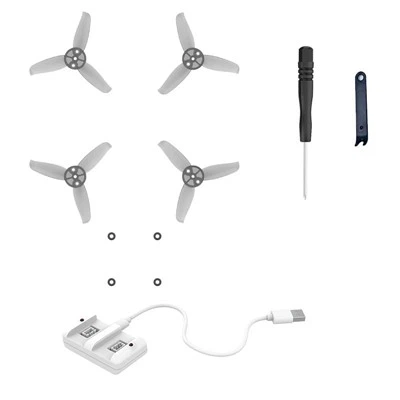
First off, let's talk about pre - flight checks. Before you even power up your drone, you gotta do a thorough inspection. Check the propellers for any signs of damage. A cracked or chipped prop can cause your drone to fly erratically and even crash. Make sure they're securely attached too. Loose propellers can come off during flight, which is a major safety hazard. You can find some great FPV drones with high - quality propellers in our FPV Drone Kit Ready To Fly. These kits come with everything you need to get in the air safely.
Next, take a look at the battery. The battery is the heart of your drone, and a faulty one can lead to all sorts of problems. Check for any signs of swelling, leakage, or damage. If you notice anything off, don't use that battery. It's better to be safe than sorry. Also, make sure the battery is fully charged. Flying with a low - charge battery can cause your drone to lose power mid - flight and come crashing down. And don't forget to follow the proper charging procedures. Overcharging or using the wrong charger can damage the battery and pose a fire risk.
The radio transmitter is another crucial component. Test all the controls to make sure they're working properly. Check the range of the transmitter too. You don't want to lose connection with your drone while it's in the air. If you're new to FPV drones, our FPV Drone Kit with Goggles is a great option. It comes with a reliable transmitter and goggles that give you a clear view of what your drone sees.
Now, let's move on to the flying environment. You need to choose a safe place to fly your FPV drone. Avoid flying near airports, military bases, or any restricted airspace. These areas have strict regulations, and flying your drone there can get you in serious trouble. Also, stay away from crowded areas, such as parks on busy days or sports stadiums during events. A crashing drone can cause injury to people or damage to property.
Look out for obstacles. Trees, power lines, and buildings can all pose a threat to your drone. Make sure you have a clear line of sight when flying. If you're flying in an area with a lot of obstacles, fly at a lower altitude and be extra cautious. Our FPV Drone 10 Inch Carbon Fiber is a durable option that can withstand minor collisions, but it's still best to avoid hitting things.
Weather conditions are also important. Don't fly your drone in bad weather. High winds, rain, or snow can make it difficult to control your drone and increase the risk of a crash. Check the weather forecast before you head out. If it looks like the weather is going to turn bad, it's better to postpone your flight.


When it comes to flying techniques, always start slow. If you're a beginner, practice basic maneuvers in an open area. Get a feel for how the drone responds to your controls. Don't try any fancy tricks right away. As you gain more experience, you can gradually increase the complexity of your flights.
Keep a safe distance from other drones. If there are other FPV drone pilots in the area, make sure you communicate with them. Establish a safe flying zone and respect each other's space. Collisions between drones can be dangerous and cause damage to both aircraft.
Another important safety tip is to wear appropriate safety gear. While it might not be as common as in some other extreme sports, wearing goggles can protect your eyes from debris in case of a crash. Gloves can also give you a better grip on the transmitter and protect your hands.
Now, let's talk about post - flight procedures. After you land your drone, power it down properly. Remove the battery and store it in a safe place. Inspect the drone again for any damage that might have occurred during the flight. If you notice any issues, repair them before your next flight.
It's also a good idea to keep a flight log. Record details such as the date, time, location, and duration of your flights. This can help you track your progress and identify any patterns or issues. It can also be useful if you need to provide information in case of an incident.
As a supplier, I want to emphasize that safety is our top priority. We offer a wide range of FPV drones and accessories that are designed with safety in mind. Whether you're a beginner looking for an easy - to - fly kit or an experienced pilot in need of a high - performance drone, we've got you covered.
If you're interested in purchasing an FPV drone or have any questions about safety or our products, we'd love to hear from you. Reach out to us for a friendly chat and let's discuss how we can meet your FPV drone needs. We're here to help you have a safe and enjoyable flying experience.
References
- General knowledge from the FPV drone community
- Manufacturer guidelines for FPV drones