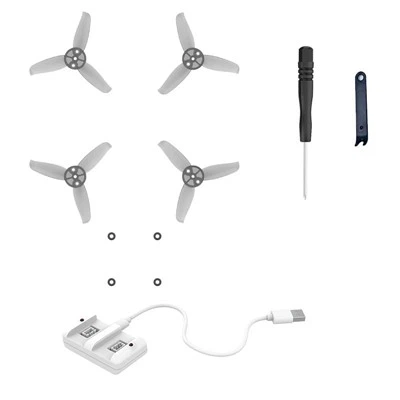
In the dynamic world of professional e - sport, RC drone soccer has emerged as an exciting and rapidly growing discipline. As a supplier of Professional E - Sport RC Drone Soccer equipment, I have witnessed firsthand the challenges faced by organizers of these competitions. In this blog, I will delve into the various obstacles that event organizers must overcome to ensure the success of a high - profile RC drone soccer tournament.
Technical and Equipment - Related Challenges
One of the primary challenges is ensuring the reliability and performance of the RC drones. These drones are the heart of the competition, and any technical glitches can disrupt the flow of the game. Organizers need to source high - quality drones that can withstand the rigors of intense gameplay. For instance, our Brushless Drone Soccer with 20 cm Diameter is designed to offer stability and durability. However, even with top - of - the - line equipment, issues such as battery life can pose a significant problem.
Battery life is a critical factor in RC drone soccer. The drones need to operate for a sufficient amount of time during each match. Our 2S 7.4V Batteries for Drone Soccer are specifically designed to provide a decent amount of power, but organizers still need to manage battery changes effectively. A well - planned battery management system is essential to avoid delays during the matches. This includes having a sufficient number of fully charged batteries on standby and a quick - change mechanism to minimize downtime.
Another technical challenge is the calibration of the drones. Each drone needs to be calibrated accurately to ensure fair play. Differences in calibration can give some teams an unfair advantage. Organizers need to have a standardized calibration process and trained personnel to perform these calibrations before each match.
Safety Concerns
Safety is of utmost importance in RC drone soccer competitions. The drones are flying objects that can cause injury if not properly controlled. Organizers need to establish strict safety protocols to protect the players, spectators, and the surrounding environment.
Firstly, the competition venue needs to be designed in a way that minimizes the risk of drones colliding with people or objects. This may involve setting up barriers and nets around the playing area. Additionally, players need to be trained on how to operate the drones safely. They should be aware of the rules regarding flight paths and the maximum speed at which the drones can be flown.
In the event of a drone malfunction or a collision, there should be a quick response mechanism in place. This includes having first - aid kits readily available and trained medical personnel on standby. Organizers also need to ensure that the drones are equipped with safety features such as propeller guards to reduce the risk of injury.
Rules and Regulations
Developing and enforcing rules and regulations is a complex challenge for organizers. RC drone soccer is a relatively new sport, and there is no universal set of rules. Organizers need to define the rules regarding gameplay, scoring, fouls, and penalties.
For example, determining what constitutes a goal in drone soccer can be tricky. Is it when the drone hits the ball into the net, or is there a specific area within the net that the ball must pass through? Organizers also need to decide on the rules for player conduct. What actions are considered unsportsmanlike, and what are the consequences?


Enforcing these rules during the competition is equally challenging. Referees need to be well - trained to make accurate calls. They also need to have the necessary tools, such as video replay systems, to review close calls and ensure fair play.
Venue and Logistics
Finding a suitable venue for an RC drone soccer competition is no easy task. The venue needs to be large enough to accommodate the playing area, the spectators, and the necessary equipment. It also needs to have proper ventilation to prevent the drones from overheating.
Logistics is another major challenge. Organizers need to transport the drones, the ball, and other equipment to the venue. They also need to set up the playing area, including installing the goals and the nets. Additionally, they need to manage the registration of the teams and the spectators, which involves handling tickets and ensuring a smooth entry process.
The 200mm Drone Football is a key component of the game, and organizers need to ensure that it is in good condition and properly maintained. This may involve having spare balls on hand in case of damage during the matches.
Sponsorship and Marketing
Securing sponsorships is crucial for the financial success of an RC drone soccer competition. Organizers need to attract sponsors who are interested in the sport and can provide the necessary funding. However, convincing sponsors to invest in a relatively new and niche sport can be challenging.
Marketing the event is also essential to attract spectators and increase the visibility of the sport. Organizers need to use various marketing channels, such as social media, traditional media, and email marketing, to promote the competition. They need to create engaging content that showcases the excitement of RC drone soccer and encourages people to attend the event.
Player Recruitment and Training
Recruiting skilled players is a challenge for organizers. RC drone soccer requires a unique set of skills, including hand - eye coordination, quick reflexes, and strategic thinking. Organizers need to identify talented players and encourage them to participate in the competition.
Training the players is also important. They need to be familiar with the rules of the game, the operation of the drones, and the strategies for winning. Organizers can offer training programs and workshops to help players improve their skills.
Data Management and Analytics
In today's digital age, data management and analytics are becoming increasingly important in sports. Organizers of RC drone soccer competitions need to collect and analyze data on player performance, match statistics, and spectator engagement.
This data can be used to improve the quality of the competition, make informed decisions about rule changes, and enhance the overall fan experience. However, collecting and analyzing this data requires specialized software and expertise.
Conclusion
Organizing a Professional E - Sport RC Drone Soccer competition is a complex and challenging task. From technical and safety concerns to rules and regulations, venue and logistics, sponsorship and marketing, player recruitment and training, and data management, organizers face a multitude of obstacles.
As a supplier of Professional E - Sport RC Drone Soccer equipment, we understand these challenges and are committed to providing high - quality products and support to help organizers overcome them. If you are interested in organizing an RC drone soccer competition or need to source equipment for your existing events, we would be delighted to discuss your requirements. Contact us to start a procurement discussion and take your RC drone soccer competition to the next level.
References
- Smith, J. (2022). The Rise of E - Sports: A Global Perspective. Sports Journal, 15(2), 34 - 45.
- Johnson, A. (2021). Safety Measures in Drone Sports. Drone Technology Review, 8(3), 67 - 78.
- Brown, C. (2020). Marketing Strategies for Niche Sports. Sports Marketing Quarterly, 22(4), 234 - 245.