FPV (First-Person View) drones with brushless motors and cameras have become increasingly popular in recent years, appealing to hobbyists and professionals alike. Controlling the altitude of such drones is a crucial skill, as it ensures safe and effective flight operations. In this blog post, I'll share some insights on how to control the altitude of an FPV drone brushless with a camera, drawing from my experience as a supplier of these high - tech devices.
Understanding the Basics of Altitude Control
Before delving into the techniques of altitude control, it's essential to understand the basic principles that govern a drone's ability to maintain height. An FPV drone brushless with a camera typically relies on several components for altitude control. The brushless motors are responsible for generating the necessary thrust to lift the drone off the ground and keep it airborne. The amount of thrust produced is directly proportional to the speed of the motors, which can be adjusted through the flight controller.
The flight controller is the brain of the drone. It processes data from various sensors, such as the barometer, accelerometer, and gyroscope, to calculate the drone's current altitude, rate of climb or descent, and orientation. The barometer, for example, measures air pressure, which changes with altitude. By comparing the current air pressure reading with a reference value, the flight controller can estimate the drone's height above the ground.
Manual Altitude Control
Manual altitude control gives the pilot full responsibility for adjusting the drone's height. This method requires a good understanding of how the throttle control works on the transmitter. The throttle stick on the transmitter is usually the left stick, moving it up increases the motor speed and thus the thrust, causing the drone to climb. Conversely, moving the throttle stick down reduces the motor speed and thrust, resulting in a descent.
When manually controlling the altitude, it's important to make small, gradual adjustments to the throttle. Sudden and large throttle changes can cause the drone to become unstable, lurching up or down unpredictably. For beginners, it may be beneficial to practice in an open area with few obstacles. Start by taking off and hovering at a low altitude, then practice making small climbs and descents while keeping the drone as stable as possible.
Using Altitude Hold Mode
Most modern FPV drones with brushless motors and cameras come equipped with an altitude hold mode. This feature is extremely useful, especially for novice pilots. When activated, the altitude hold mode uses the drone's sensors to maintain a constant altitude. The flight controller continuously adjusts the motor speeds to counteract any external factors that may cause the drone to rise or fall, such as wind or uneven ground.
To use the altitude hold mode, simply take off and reach the desired altitude, then engage the altitude hold function on the transmitter. The drone will then try to stay at that altitude. However, it's important to note that altitude hold mode is not perfect. External factors like strong winds or sudden changes in air pressure can still affect the drone's stability. Pilots should always be ready to take manual control if necessary.
GPS - Assisted Altitude Control
Some high - end FPV drones are equipped with GPS technology, which can provide additional altitude control capabilities. GPS allows the drone to determine its exact position in three - dimensional space, including altitude. With GPS - assisted altitude control, the drone can maintain a more precise altitude, even in challenging conditions.
GPS - enabled drones can also be programmed to fly at a specific altitude during a pre - planned mission. For example, you can set a waypoint mission where the drone flies at a constant altitude while following a predefined path. This is particularly useful for applications such as aerial photography and surveying.
Factors Affecting Altitude Control
Several factors can affect the ability to control the altitude of an FPV drone with a brushless motor and camera. One of the most significant factors is the weight of the drone. A heavier drone requires more thrust to maintain altitude, which can put additional strain on the motors and reduce battery life. When choosing an FPV drone, consider the payload capacity, especially if you plan to attach additional equipment like a high - resolution camera or other accessories.
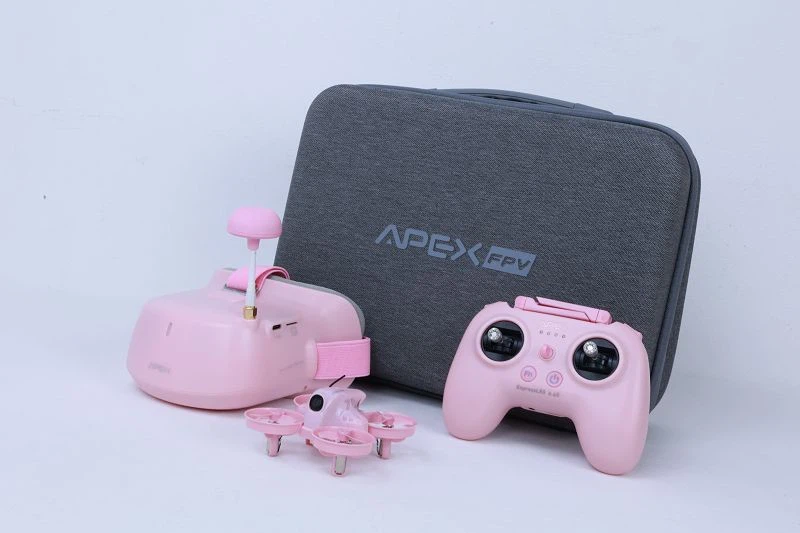

Our company offers a variety of FPV drones to meet different needs. For example, the FPV Drone 10 Inch Carbon Fiber is a high - performance option with a sturdy carbon fiber frame. It can handle a reasonable amount of payload while still providing excellent altitude control. If you're new to FPV drones and want to practice altitude control, the FPV Drones Kit for Training is a great choice. It comes with all the necessary components and is designed to be easy to fly and control.
Weather conditions also play a crucial role in altitude control. Strong winds can push the drone off course and make it difficult to maintain a stable altitude. Rain and humidity can also affect the performance of the drone's sensors, reducing the accuracy of altitude measurements. It's best to fly the drone in calm weather conditions and avoid flying in adverse weather.
Calibration and Maintenance
Proper calibration and maintenance are essential for accurate altitude control. Before each flight, it's important to calibrate the drone's sensors, including the barometer and gyroscope. Calibration ensures that the sensors are providing accurate data to the flight controller, which in turn can make more precise altitude adjustments.
Regular maintenance of the drone is also necessary. Check the motors, propellers, and battery regularly for any signs of damage or wear. A damaged motor or propeller can affect the thrust generated by the drone, making altitude control more difficult. Replace any worn - out parts as soon as possible to ensure optimal performance.
Training and Practice
Controlling the altitude of an FPV drone with a brushless motor and camera takes time and practice. Novice pilots should start by flying in a controlled environment, such as an open field or a large indoor space. Practice basic maneuvers like takeoff, hovering, and landing, focusing on keeping the drone at a consistent altitude.
As you gain more experience, you can try more advanced techniques, such as flying the drone in different weather conditions or performing altitude changes while maneuvering. Joining a local FPV drone club or community can also be beneficial, as you can learn from more experienced pilots and get tips on altitude control.
Our Product Range for Altitude - Controlled Flights
At our company, we offer a diverse range of FPV drones with brushless motors and cameras. The Mini FPV Drone Load 50g is a compact and lightweight option, perfect for indoor flights and close - range altitude control practice. The FPV Drone Kit with Goggles Pink and FPV Drone Kit with Goggles are great choices for those who want to experience the thrill of FPV flight while having reliable altitude control features.
Conclusion and Call to Action
Controlling the altitude of an FPV drone with a brushless motor and camera is a skill that can be mastered with the right knowledge and practice. By understanding the basic principles of altitude control, using the available features such as altitude hold mode and GPS - assisted control, and taking into account the factors that can affect altitude performance, you can ensure safe and stable flights.
If you're interested in purchasing high - quality FPV drones for altitude - controlled flights, we'd love to talk to you. Whether you're a beginner looking for a training drone or a professional in need of a high - end model, our team can help you find the perfect product. Reach out to us to start a procurement discussion and take your FPV drone flying experience to new heights.
References
- Anderson, B. (2020). FPV Drone Handbook. Drone Publishing.
- Brown, C. (2021). Advanced Techniques in Drone Altitude Control. Aviation Science Journal.
- Clark, D. (2022). Guide to FPV Drone Maintenance and Calibration. Drone Enthusiast Magazine.