Designing a field for Professional E - Sport RC Drone Soccer is a meticulous process that requires a deep understanding of the sport's dynamics, the capabilities of the drones, and the safety of the participants. As a professional supplier of E - Sport RC Drone Soccer equipment, I have had the privilege of being involved in numerous field design projects. In this blog, I will share my insights on how to design a field that enhances the excitement and competitiveness of this emerging sport.
Understanding the Basics of RC Drone Soccer
Before delving into the field design, it is essential to understand the fundamentals of RC Drone Soccer. The game involves two teams of players controlling RC drones to score goals by hitting a lightweight ball into the opponent's goal. The drones used in this sport are typically small, agile, and equipped with cameras for the pilots to have a first - person view (FPV). The rules of the game are similar to traditional soccer, with minor adaptations to suit the nature of drone flight.


Selecting the Right Location
The first step in designing a field for Professional E - Sport RC Drone Soccer is choosing the right location. The field should be indoors to avoid the interference of wind and other weather conditions. An ideal location could be a large sports hall, an empty warehouse, or a dedicated indoor arena. The space should be large enough to accommodate the field dimensions and allow for some buffer zone around the perimeter to prevent drones from crashing into the walls.
Field Dimensions
The dimensions of the field play a crucial role in the gameplay. A standard field for Professional E - Sport RC Drone Soccer is rectangular in shape. The length of the field can range from 20 to 30 meters, while the width can be between 10 to 20 meters. These dimensions provide enough space for the drones to maneuver and for the players to strategize. The goals are usually placed at the center of each short end of the field and have a width of about 2 to 3 meters and a height of 1 to 1.5 meters.
Marking the Field
Once the location and dimensions are determined, the next step is to mark the field. Similar to traditional soccer fields, the boundaries of the RC Drone Soccer field should be clearly marked. This can be done using brightly colored tape or lines painted on the floor. The center circle, penalty areas, and goal areas should also be marked to define the different zones of the field. These markings help the players and referees to easily identify the different areas of play and enforce the rules of the game.
Safety Features
Safety is of utmost importance in Professional E - Sport RC Drone Soccer. The field should be equipped with safety nets around the perimeter and above the playing area. These nets prevent the drones from flying out of the field and crashing into spectators or other objects. Additionally, the field should have a system in place to quickly shut down the drones in case of an emergency. This could be a remote - controlled switch that cuts off the power supply to all the drones simultaneously.
Lighting
Proper lighting is essential for a successful RC Drone Soccer game. The field should be well - lit to ensure that the pilots can clearly see the drones and the ball. LED lights are a popular choice as they provide bright, energy - efficient illumination. The lighting should be evenly distributed across the field to avoid any shadows that could affect the pilots' visibility.
Equipment Requirements
As a supplier of E - Sport RC Drone Soccer equipment, I can recommend some of the essential equipment for the field. The drones used in the game should be durable and agile. For example, the 220mm Carbon Fiber Frame Soccer Drone is a great choice as it offers a good balance of strength and maneuverability. The drones should also be equipped with high - quality cameras for FPV.
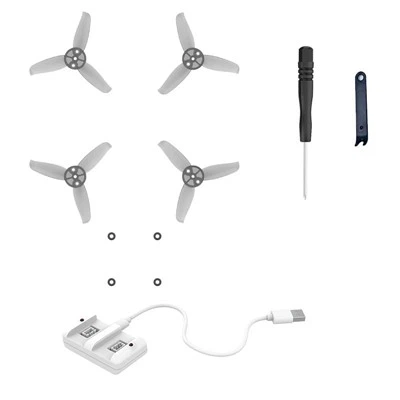
In addition to the drones, the field requires a suitable ball. The ball should be lightweight and easy to hit with the drones. Specialized batteries are also necessary to power the drones. The 2S 7.4V Batteries for Drone Soccer provide a reliable power source for the drones during the game. Propellers are another important component, and the 2.5 Inch Propeller for Drone Soccer is a popular option due to its efficiency and durability.
Referee and Spectator Areas
A well - designed field should also include areas for the referee and spectators. The referee area should be located in a position where the referee has a clear view of the entire field. It can be a raised platform or a designated area on the side of the field. The spectator area should be separated from the playing field by a safety barrier to ensure the safety of the spectators. Seating arrangements can be provided to make the viewing experience more comfortable.
Sound System
A sound system can enhance the overall experience of the game. It can be used to play the game announcements, the national anthems, and the background music. The sound system should be installed in a way that the sound is evenly distributed across the field and the spectator area.
Maintenance and Upkeep
Once the field is designed and set up, regular maintenance and upkeep are necessary. The safety nets should be inspected regularly for any signs of wear and tear. The lighting system should be checked to ensure that all the lights are working properly. The drones and other equipment should also be maintained and serviced regularly to ensure their optimal performance.
Customization and Branding
To make the field more unique and attractive, customization and branding can be added. The field can be branded with the logos of the teams, the sponsors, or the event organizers. Custom - made signage can be installed around the field to promote the game and the sponsors. This not only adds a professional touch to the field but also helps in creating a more engaging atmosphere for the players and the spectators.
Conclusion
Designing a field for Professional E - Sport RC Drone Soccer is a complex but rewarding process. It requires careful planning, attention to detail, and a focus on safety and functionality. By following the guidelines outlined in this blog, you can create a field that provides an exciting and competitive environment for the players and an enjoyable experience for the spectators.
If you are interested in purchasing high - quality E - Sport RC Drone Soccer equipment or have any questions about field design, please feel free to contact us for procurement and further discussions. We are committed to providing the best products and services to meet your needs.
References
- Drone Soccer Association Guidelines
- Research on Indoor Sports Field Design
- Industry Reports on E - Sport Equipment