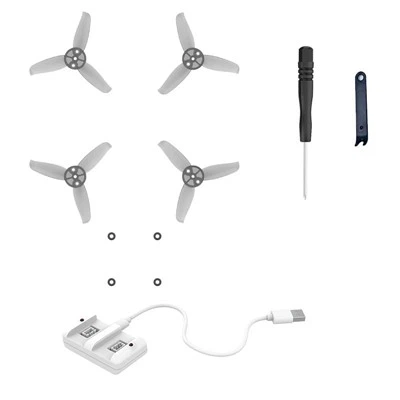
As a supplier in the exciting world of drone soccer, I often get asked about one of the most crucial aspects of keeping these high - flying athletes of the pitch in action: how to charge a drone used in soccer. In this blog post, I'll delve into the details of drone charging, including the types of batteries, charging methods, and best practices to ensure your drone is always ready for the next game.
Types of Batteries Used in Drone Soccer
Drone soccer drones typically use lithium - polymer (Li - Po) batteries. These batteries are favored for their high energy density, which means they can store a large amount of energy in a relatively small and lightweight package. This is essential for drone soccer, where agility and speed are key. Li - Po batteries also have a high discharge rate, allowing the drones to draw a large amount of power quickly when needed, such as during a sudden burst of speed or a sharp turn.
Another advantage of Li - Po batteries is their low self - discharge rate. This means that they can hold their charge for longer periods when not in use, compared to other battery types. However, Li - Po batteries also require careful handling and charging to ensure their safety and longevity.
Charging Methods
There are several charging methods available for drone soccer drones, each with its own advantages and disadvantages.
Balanced Charging
Balanced charging is the most common and recommended method for charging Li - Po batteries. This method ensures that each cell in the battery pack is charged to the same voltage. Li - Po batteries are typically made up of multiple cells connected in series, and if one cell is overcharged or undercharged, it can lead to reduced battery performance, shortened battery life, or even a safety hazard.
A balanced charger monitors the voltage of each cell in the battery pack and adjusts the charging current accordingly. This ensures that all cells reach their full charge at the same time. Balanced charging usually takes longer than other charging methods, but it is the safest and most effective way to charge Li - Po batteries.
Fast Charging
Fast charging is a method that allows you to charge your drone's battery in a shorter amount of time. This can be useful if you're in a hurry and need to get your drone back in the air quickly. However, fast charging can also generate more heat, which can reduce the battery's lifespan and increase the risk of overheating.
When using fast charging, it's important to use a charger that is specifically designed for fast charging and to follow the manufacturer's instructions carefully. You should also monitor the battery temperature during charging to ensure it doesn't get too hot.
Trickle Charging
Trickle charging is a slow and gentle charging method that is often used to maintain the charge of a battery over a long period of time. This method is typically used when the battery is not in use for an extended period, such as during storage.
Trickle charging provides a small, constant current to the battery, which helps to keep it fully charged without overcharging it. However, trickle charging is not suitable for quickly charging a depleted battery.
Best Practices for Charging Drone Soccer Drones
To ensure the safety and longevity of your drone's battery, it's important to follow these best practices when charging:
Use a Quality Charger
Invest in a high - quality charger that is specifically designed for Li - Po batteries. A good charger will have built - in safety features, such as overcharge protection, short - circuit protection, and temperature monitoring. You can find a reliable charger that is compatible with your drone at our store. For example, our Mainboard for 116 Drone Soccer comes with a charger that is optimized for the specific battery requirements of the drone.
Charge in a Safe Location
Always charge your drone's battery in a safe location, away from flammable materials and in a well - ventilated area. Li - Po batteries can generate heat during charging, and if they overheat, they can pose a fire hazard. It's also a good idea to use a fire - proof charging bag or container to provide an extra layer of protection.
Monitor the Charging Process
Never leave your battery unattended while it's charging. Keep an eye on the charger and the battery to ensure that the charging process is going smoothly. If you notice any signs of overheating, swelling, or other abnormalities, stop the charging process immediately and remove the battery from the charger.
Store Batteries Properly
When not in use, store your Li - Po batteries in a cool, dry place. Avoid storing them in direct sunlight or in areas with high humidity. It's also a good idea to store your batteries at a partial charge, around 50% - 60%, to prevent them from self - discharging too much.


Components and Their Role in Charging
The components of a drone soccer drone play an important role in the charging process. For example, the 2.5 Inch Propeller for Drone Soccer is designed to be lightweight and efficient, which helps to reduce the power consumption of the drone. This means that the battery doesn't have to work as hard to keep the drone in the air, which can extend its flight time and reduce the frequency of charging.
The Brushed Soccer Drone for Competition Training is another important component. It is designed to be durable and easy to maintain, and its electrical system is optimized for efficient power usage. This ensures that the battery can provide power to the drone's motors and other components without being overtaxed.
Conclusion
Charging a drone used in soccer is a crucial aspect of keeping your drone in top condition and ready for the next game. By understanding the types of batteries used, the different charging methods, and following the best practices for charging, you can ensure the safety and longevity of your drone's battery.
If you're interested in purchasing high - quality drone soccer drones, components, or chargers, we invite you to contact us for procurement and further discussions. We're committed to providing the best products and services to our customers, and we look forward to helping you take your drone soccer experience to the next level.
References
- Battery University. "Lithium - Polymer (Li - Po)." Accessed [Date].
- Drone Racing League. "Drone Maintenance and Charging Guide." Accessed [Date].