Transporting an FPV (First-Person View) drone requires careful planning and consideration to ensure its safety and the safety of others. As an FPV drone supplier, I've encountered various scenarios and have gained valuable insights into the best practices for transporting these high - tech devices. In this blog, I'll share some key points on how to transport an FPV drone effectively.
Pre - Transport Preparation
Before you even think about moving your FPV drone, it's crucial to conduct a thorough pre - transport inspection. Check the drone's physical condition, including the frame, propellers, and motors. Look for any signs of damage or loose parts. Tighten any screws or bolts that may have come loose during normal use.
Remove the battery from the drone. Lithium - ion batteries, which are commonly used in FPV drones, can be dangerous if damaged or short - circuited during transport. Store the battery in a fire - resistant battery case, following the manufacturer's guidelines for battery storage. This not only reduces the risk of fire but also protects the battery from damage.
Choosing the Right Container
Selecting an appropriate container is essential for protecting your FPV drone during transport. A hard - shell case is often the best choice as it provides excellent protection against impacts and vibrations. Look for a case that is specifically designed for FPV drones. These cases usually have custom - cut foam inserts that hold the drone and its components securely in place.
If you don't have a dedicated drone case, you can also use a sturdy plastic storage container. Line the container with soft padding, such as foam or bubble wrap, to cushion the drone. Make sure the container is large enough to accommodate the drone and all its accessories without overcrowding.
Packing the Drone
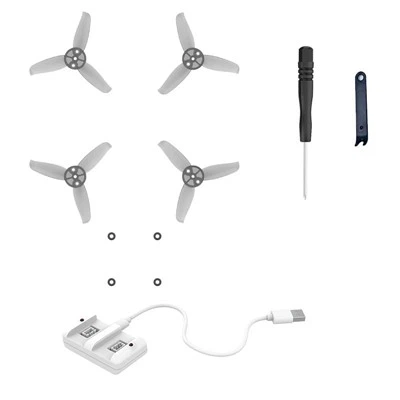
When packing the drone, start by disassembling it if possible. Remove the propellers to prevent them from breaking during transport. Place the propellers in a separate, small container or a propeller guard.
Carefully place the drone in the container, ensuring that it is centered and well - supported by the padding. If the drone has a camera, protect it with a lens cap or a soft cloth to prevent scratches.
Include all the necessary accessories, such as the remote controller, extra batteries, chargers, and spare parts. Place these items in separate compartments or use small plastic bags to keep them organized.
Transporting by Car
If you're transporting the FPV drone by car, place the container in a secure location. Avoid placing it on the floor where it can be crushed by other items or slide around during sudden stops or turns. A good option is to place the container on the back seat or in the trunk, making sure it is stable and won't move around.
If you're going on a long - distance trip, take breaks to check on the drone. This allows you to ensure that the container hasn't shifted and that the drone is still in good condition.


Transporting by Air
Transporting an FPV drone by air is more complex due to airline regulations. Most airlines have specific rules regarding the transport of lithium - ion batteries. In general, you are usually allowed to carry a limited number of spare batteries in your carry - on luggage, but they must be properly protected and meet the airline's requirements.
The drone itself can usually be carried in your checked or carry - on luggage. However, it's important to check with the airline in advance to avoid any issues at the airport. Some airlines may require you to remove the batteries from the drone and pack them separately.
When traveling internationally, you also need to consider the customs regulations of the destination country. Some countries may have restrictions on importing drones, so it's essential to do your research before you travel.
Special Considerations for Training Drones
As an FPV drone supplier, I often deal with customers who are interested in FPV Drones Kit for Training. These kits usually come with multiple drones and accessories, which require additional care during transport.
Make sure to label each component clearly to avoid confusion. If you're transporting multiple drones, consider using separate containers for each one to prevent them from colliding with each other.
Drone Education and Transport
For educational institutions that use 5 Inch FPV Drone for Drone Education, transporting the drones safely is of utmost importance. These drones are often used in classrooms and outdoor training sessions, so they need to be transported to different locations regularly.
When transporting drones for educational purposes, it's a good idea to have a designated person responsible for handling the transport. This person should be trained on the proper handling and packing of the drones to ensure their safety.
The Role of Coach Mode in Transport
Drones with FPV Drone with Coach Mode offer an additional layer of safety, not only during flight but also during transport. Although coach mode is mainly designed for flight training, it reflects the overall safety - conscious design of the drone.
When transporting a drone with coach mode, it's still important to follow the standard transport procedures. However, the fact that the drone has advanced safety features can give you more confidence in its durability during transport.
Conclusion
Transporting an FPV drone requires a combination of careful planning, proper packing, and adherence to regulations. Whether you're a hobbyist, a professional pilot, or an educational institution, following these guidelines will help ensure that your drone arrives at its destination safely.
If you're interested in purchasing FPV drones or need more information about transporting them, please feel free to reach out to us. We're here to provide you with the best products and advice to meet your needs.
References
- Drone Manufacturer's Manuals
- Airline Regulations for Drone Transport
- Customs Regulations of Different Countries