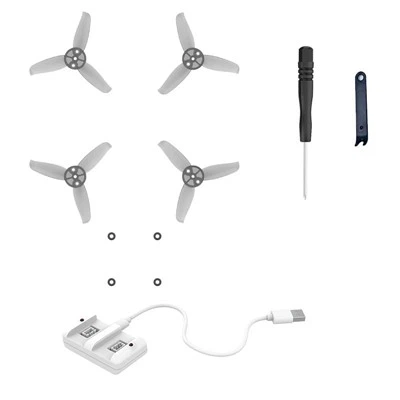
As a provider of the Mini Coding Drone APP Control, I understand the excitement and challenges that come with setting up a flight plan with multiple waypoints. This process not only enhances the flying experience but also allows users to explore the full potential of our drones. In this blog post, I'll guide you through the steps of creating a multi - waypoint flight plan using our Mini Coding Drone APP Control.
Understanding the Basics of the Mini Coding Drone APP Control
Before diving into setting up a flight plan, it's essential to familiarize yourself with the Mini Coding Drone APP Control. Our app is designed to be user - friendly, even for beginners. It offers a range of features that make drone flying an enjoyable and educational experience. You can access the Mini Coding Drone APP Control Green on our official website to learn more about its functions.
The app provides a visual interface where you can interact with the drone. It allows you to control the drone's movement, speed, and altitude. Additionally, it has a coding feature that enables users to program the drone's flight path, which is particularly useful when setting up multiple waypoints.
Pre - flight Preparations
- Drone Check
- Before you start creating a flight plan, ensure that your drone is in good working condition. Check the battery level, propellers, and any other critical components. For example, if you're using the Education Programmable Drone with Camera, make sure the camera is properly installed and functioning.
- Charge the drone's battery fully. A low - battery level can cause the drone to malfunction during flight, which may lead to an incomplete flight plan.
- App Installation and Connectivity
- Install the Mini Coding Drone APP Control on your mobile device. The app is compatible with both iOS and Android platforms.
- Connect your drone to the app via Wi - Fi or Bluetooth. Follow the instructions in the app to establish a stable connection. A weak connection can result in communication issues between the app and the drone, affecting the flight plan execution.
Creating a Flight Plan with Multiple Waypoints
- Accessing the Flight Plan Feature
- Open the Mini Coding Drone APP Control on your device. Look for the flight plan or mission planning section in the app's menu. This section is where you'll create and manage your multi - waypoint flight plans.
- Adding Waypoints
- Once you're in the flight plan section, you'll see a map interface. This map represents the area where your drone will fly. You can use the map to add waypoints by tapping on the desired locations.
- Each waypoint represents a specific point in the flight path. You can add as many waypoints as you want, depending on your flight requirements. For example, if you're using the Mini Drone for Kids and Beginners Blue, you might start with a simple flight plan with 3 - 5 waypoints.
- Setting Waypoint Parameters
- After adding a waypoint, you can set various parameters for it. These parameters include the altitude at which the drone should fly when it reaches the waypoint, the speed of the drone during the flight, and the action the drone should perform at the waypoint (such as taking a photo or hovering for a certain period).
- For instance, if you want the drone to take a photo at a particular waypoint, select the "take photo" option in the waypoint settings. You can also adjust the altitude to get the best view for the photo.
- Defining the Flight Path
- The app will automatically connect the waypoints to create a flight path. You can review the flight path on the map to ensure it meets your expectations. If necessary, you can adjust the position of the waypoints or add new ones to modify the flight path.
- Consider the terrain and any obstacles in the area when defining the flight path. Make sure the drone has enough clearance to fly safely between waypoints.
Testing and Adjusting the Flight Plan
- Simulation Mode
- Before sending the drone on the actual flight, use the app's simulation mode. This mode allows you to preview the flight plan without actually flying the drone. It helps you identify any potential issues with the flight path, such as waypoints that are too close together or a flight path that takes the drone too far from the starting point.
- In the simulation mode, you can see how the drone will move between waypoints, the estimated flight time, and the battery consumption. Based on the simulation results, you can make adjustments to the flight plan.
- Real - world Testing
- Once you're satisfied with the simulation results, it's time to test the flight plan in the real world. Choose an open and safe area for the test flight. Make sure there are no people, animals, or other obstacles in the flight path.
- Launch the drone and let it follow the flight plan. Monitor the drone's movement closely using the app. If you notice any problems, such as the drone deviating from the flight path or not performing the expected actions at waypoints, land the drone immediately and make the necessary adjustments to the flight plan.
Troubleshooting Common Issues
- Connection Problems
- If the app loses connection with the drone during the flight, try restarting the app and the drone. Make sure the Wi - Fi or Bluetooth connection is stable. You can also try moving closer to the drone to improve the signal strength.
- Flight Path Deviations
- If the drone deviates from the flight path, check the waypoint settings. Make sure the altitude, speed, and other parameters are set correctly. Wind conditions can also cause the drone to deviate from the flight path. In such cases, you may need to adjust the flight plan or wait for more favorable weather conditions.
Benefits of Using Multi - Waypoint Flight Plans
- Efficiency
- Multi - waypoint flight plans allow the drone to cover a larger area in a more organized manner. For example, if you're using the drone for surveying or mapping, a well - designed multi - waypoint flight plan can help you collect data more efficiently.
- Creativity
- You can use multi - waypoint flight plans to create unique and interesting flight paths. This is great for aerial photography and videography, as it allows you to capture different angles and perspectives.
Contact for Purchase and Consultation
If you're interested in purchasing our Mini Coding Drone APP Control or have any questions about setting up flight plans, we're here to help. Our team of experts can provide you with detailed information and guidance on how to make the most of our products. Whether you're a beginner or an experienced drone user, we can assist you in finding the right solution for your needs.


References
- Drone Flight Manuals: The official manuals of our drones provide detailed information about their features and capabilities, which are useful when setting up flight plans.
- Mini Coding Drone APP Control Documentation: The documentation available on our website offers in - depth guidance on using the app's flight plan feature.