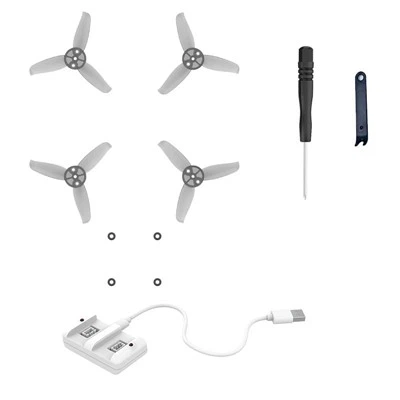
As an FPV drone supplier, I've had the privilege of witnessing the incredible growth and evolution of the FPV (First-Person View) drone industry. FPV drones offer an exhilarating experience, allowing pilots to feel as if they're soaring through the sky themselves. In this blog, I'll share some insights on how to control an FPV drone effectively.
Understanding the Basics of FPV Drone Control
Before you take your FPV drone for a spin, it's essential to understand the basic components of the control system. The primary control device for an FPV drone is the transmitter. This handheld device allows you to send commands to the drone, controlling its movement, altitude, and other functions.
The transmitter typically has several sticks and switches. The two main sticks are used for controlling the drone's movement. The left stick controls the throttle (up and down) and yaw (rotation left and right), while the right stick controls the pitch (forward and backward) and roll (side to side).
In addition to the sticks, the transmitter may also have switches for functions such as arming the drone, activating different flight modes, and adjusting camera settings.
Pre-Flight Checks
Before every flight, it's crucial to perform a series of pre-flight checks to ensure the safety and proper operation of your FPV drone. Here are some key steps to follow:
- Inspect the Drone: Check the drone for any visible damage, such as cracks in the frame or loose propellers. Make sure all the components are securely attached.
- Check the Batteries: Ensure that the drone's battery is fully charged and properly installed. Also, check the battery of your transmitter to avoid any power issues during the flight.
- Calibrate the Sensors: Most FPV drones have built-in sensors, such as accelerometers and gyroscopes, that need to be calibrated before each flight. Follow the manufacturer's instructions to calibrate these sensors correctly.
- Bind the Transmitter: Bind the transmitter to the drone to establish a communication link. This ensures that the commands you send from the transmitter are received and executed by the drone.
- Test the Controls: Before taking off, test the controls of the drone using the transmitter. Move the sticks and switches to make sure that the drone responds as expected.
Taking Off and Landing
Taking off and landing are two of the most critical aspects of flying an FPV drone. Here are some tips to help you perform these maneuvers safely and smoothly:
Taking Off:
- Find a Clear Area: Choose a clear and open area for takeoff, away from obstacles, people, and other aircraft.
- Arm the Drone: Follow the manufacturer's instructions to arm the drone. This usually involves moving the throttle stick to the lowest position and then to the highest position within a certain time frame.
- Gradually Increase the Throttle: Slowly increase the throttle to lift the drone off the ground. Keep the drone stable and level during the ascent.
Landing:
- Descend Slowly: When it's time to land, gradually reduce the throttle to lower the drone to the ground. Keep the drone level and avoid sudden movements.
- Watch the Altitude: Pay close attention to the altitude of the drone as it descends. Use the FPV goggles or the drone's onboard camera to monitor the distance from the ground.
- Land Smoothly: Once the drone is close to the ground, reduce the throttle further to make a smooth landing. Make sure the drone's landing gear touches the ground evenly.
Controlling the Drone in Flight
Once your FPV drone is in the air, you can start controlling its movement using the transmitter. Here are some tips to help you fly the drone effectively:
- Start Slow: If you're a beginner, start by flying the drone at a slow speed and in a straight line. This will help you get used to the controls and build your confidence.
- Use Small Movements: When making adjustments to the drone's position, use small and gradual movements of the sticks on the transmitter. This will help you maintain better control and avoid overcorrecting.
- Practice Turns and Maneuvers: As you become more comfortable with the controls, start practicing turns, loops, and other maneuvers. Remember to start with simple maneuvers and gradually increase the complexity as you gain more experience.
- Keep an Eye on the Battery: Monitor the battery level of the drone during the flight. Make sure to land the drone before the battery runs out to avoid a crash.
Using Advanced Flight Modes
Many FPV drones come with advanced flight modes that can enhance your flying experience and make it easier to perform certain maneuvers. Here are some common advanced flight modes:


- GPS Mode: This mode uses the drone's GPS system to maintain its position in the air. It can be useful for beginners or when you want to take a break from controlling the drone.
- Follow Me Mode: In this mode, the drone will automatically follow a target, such as a person or a vehicle. It's a great way to capture dynamic footage.
- Return to Home Mode: If you lose control of the drone or the battery is running low, you can activate the Return to Home mode. The drone will automatically fly back to its takeoff point and land safely.
Choosing the Right FPV Drone
As an FPV drone supplier, I offer a wide range of FPV drones to suit different needs and skill levels. Here are some factors to consider when choosing an FPV drone:
- Skill Level: If you're a beginner, look for a drone with beginner-friendly features, such as a教练模式 (you can click FPV Drone with Coach Mode to learn more). If you're an experienced pilot, you may want a more advanced drone with high-performance capabilities.
- Flight Time: Consider the flight time of the drone. Longer flight times allow you to enjoy more flying time without having to recharge the battery frequently.
- Camera Quality: If you're interested in capturing high-quality footage, look for a drone with a good camera. Some drones come with features such as 头部追踪模式 (you can click FPV Drone with Head Tracking Mode to learn more) for more immersive filming.
- Kit Options: I also offer FPV Drone Kit Ready To Fly, which includes everything you need to start flying right away.
Conclusion
Controlling an FPV drone can be a thrilling and rewarding experience. By understanding the basics of control, performing pre-flight checks, and practicing your flying skills, you can become a proficient FPV drone pilot. As an FPV drone supplier, I'm here to provide you with the best products and support to help you enjoy your FPV drone to the fullest. If you're interested in purchasing an FPV drone or have any questions, please feel free to contact me for a procurement discussion.
References
- Drone Manufacturers' Manuals
- Online FPV Drone Communities and Forums