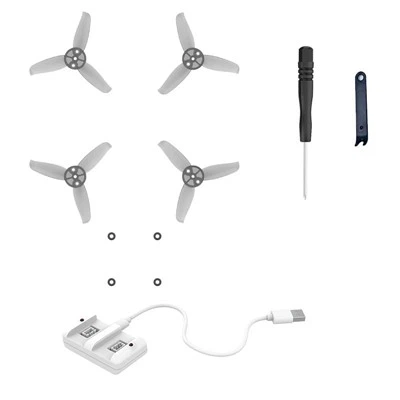
FPV (First-Person View) drones with head tracking mode have revolutionized the way we experience drone flight. These advanced drones offer an immersive flying experience that makes the pilot feel as if they are soaring through the air themselves. As a supplier of FPV Drones with Head Tracking Mode, I often get asked whether these high - tech devices require special training. In this blog, I'll delve into this question and provide some insights based on my experience in the industry.
Understanding FPV Drones with Head Tracking Mode
Before we discuss the need for special training, let's understand what FPV drones with head tracking mode are. FPV drones allow pilots to see what the drone's camera sees in real - time, usually through goggles. The head - tracking mode takes this a step further. When you move your head, the drone's camera moves accordingly, providing a more intuitive and immersive flying experience.
These drones are equipped with sophisticated technology, including high - resolution cameras, powerful motors, and advanced gyroscopes. They also require a stable connection between the goggles, the drone, and the controller. For example, the FPV Drone Kit Ready To Fly comes with all the necessary components to start flying right away. It includes a pre - assembled drone, a controller, and FPV goggles, making it an ideal choice for beginners and experienced pilots alike.
The Complexity of FPV Drones with Head Tracking Mode
FPV drones with head tracking mode are more complex than traditional drones. The head - tracking feature adds an extra layer of control that requires the pilot to coordinate their head movements with the drone's flight path. This can be quite challenging, especially for those who are new to drone flying.
The technology behind these drones is also more advanced. They often use high - speed data transmission to ensure a smooth and real - time video feed from the drone's camera to the goggles. Any interference or delay in this data transmission can lead to a disorienting flying experience. For instance, the FPV Drone Brushless with Camera uses brushless motors, which provide more power and efficiency but also require a better understanding of electrical systems and flight dynamics.
Reasons Why Special Training is Necessary
Safety
Safety is the most important reason for special training. FPV drones with head tracking mode can fly at high speeds and in complex environments. Without proper training, pilots may not be able to react quickly enough to avoid obstacles or other potential hazards. For example, flying in an area with power lines or near buildings can be extremely dangerous if the pilot doesn't know how to control the drone safely.
Training programs teach pilots about airspace regulations, safety procedures, and emergency protocols. They also help pilots develop good flying habits, such as conducting pre - flight checks and maintaining a safe distance from people and property.
Technical Skills
These drones require a certain level of technical skills to operate effectively. Pilots need to understand how to set up the drone, calibrate the head - tracking system, and troubleshoot any technical issues that may arise. For example, learning how to adjust the camera's settings, such as exposure and focus, can significantly improve the video quality transmitted to the goggles.
Training can also help pilots understand the different flight modes available on the drone. Some drones have acrobatic flight modes that allow for high - speed turns and flips, which require more advanced flying skills. The FPV Drone 10 Inch Carbon Fiber is a high - performance drone that offers various flight modes, and special training can help pilots make the most of these features.
Situational Awareness
In addition to technical skills, pilots need to develop good situational awareness. FPV flying can be so immersive that pilots may lose track of their surroundings. Special training helps pilots learn how to balance the immersive FPV experience with maintaining awareness of their physical location and the environment around them.
For example, pilots need to be aware of the drone's battery level, signal strength, and flight path. Training programs often include exercises that simulate real - world scenarios, such as flying in different weather conditions or in areas with limited visibility.
Training Options
There are several training options available for those interested in flying FPV drones with head tracking mode. One option is to take a formal training course from a certified drone instructor. These courses usually cover both theoretical and practical aspects of drone flying, including safety regulations, technical skills, and flight maneuvers.


Another option is to find online resources, such as video tutorials and forums. Many experienced FPV pilots share their knowledge and tips online, which can be a valuable source of information for beginners. Additionally, some drone manufacturers offer training materials and support to their customers.
Overcoming the Learning Curve
Learning to fly an FPV drone with head tracking mode can be challenging, but it is also a rewarding experience. Here are some tips to help you overcome the learning curve:
- Start Slow: Begin by flying in an open and safe area, such as an empty field or a large park. Practice basic flight maneuvers, such as takeoff, landing, and hovering. As you gain more confidence, you can gradually try more advanced maneuvers.
- Use a Simulator: Many FPV simulators are available that allow you to practice flying in a virtual environment. This can be a great way to get familiar with the controls and the head - tracking system without the risk of crashing a real drone.
- Join a Drone Community: Connect with other FPV pilots in your area or online. You can learn from their experiences, share tips and tricks, and participate in group flights.
Conclusion
In conclusion, FPV drones with head tracking mode do require special training. The complexity of these drones, combined with the need for safety and technical skills, makes training essential for both beginners and experienced pilots. As a supplier of these advanced drones, I highly recommend that anyone interested in flying them invests in proper training.
If you are considering purchasing an FPV Drone with Head Tracking Mode, we offer a wide range of high - quality products. Whether you are a beginner looking for an easy - to - use FPV Drone Kit Ready To Fly or an experienced pilot in need of a high - performance FPV Drone Brushless with Camera or FPV Drone 10 Inch Carbon Fiber, we have the right product for you.
If you have any questions or are interested in discussing a purchase, please feel free to reach out. We are always happy to provide more information and assist you in finding the perfect FPV drone for your needs.
References
- Anderson, J. (2022). "The Future of FPV Drone Technology". Drone Technology Journal.
- Brown, K. (2021). "Safety Guidelines for FPV Drone Pilots". Aviation Safety Magazine.
- Clark, M. (2020). "Mastering FPV Drone Flight: A Comprehensive Guide". Drone Enthusiast Press.