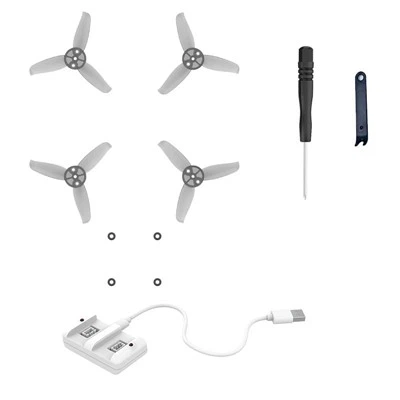
In the realm of aviation enthusiasts and DIY hobbyists, the idea of creating a DIY biplane glider foam-powered flying plane with a retractable landing gear is both exciting and challenging. As a supplier of DIY Biplane Glider Foam Powered Flying Planes, I've had the privilege of witnessing the passion and creativity of individuals who embark on this thrilling journey. In this blog post, I'll explore the feasibility of making such a unique aircraft, share some insights, and introduce you to our range of products that can help you bring your vision to life.
The Feasibility of a DIY Biplane Glider with Retractable Landing Gear
The concept of a DIY biplane glider foam-powered flying plane with a retractable landing gear is indeed achievable, but it requires a combination of technical knowledge, patience, and the right materials. Foam is an excellent choice for constructing the airframe due to its lightweight nature, which is crucial for achieving good flight performance. Additionally, foam is relatively easy to work with, allowing for precise shaping and customization.
When it comes to the retractable landing gear, this adds an extra layer of complexity to the project. However, with the right design and components, it is entirely possible to create a functional retractable landing gear system. There are various methods and mechanisms available, ranging from simple manual retraction systems to more advanced electrically or pneumatically operated ones.
Materials and Tools Required
To build a DIY biplane glider foam-powered flying plane with a retractable landing gear, you'll need the following materials and tools:
Materials:


- Foam sheets (such as Depron or EPP foam)
- Balsa wood for reinforcement
- Carbon fiber rods for added strength
- Motors and propellers
- Electronic speed controllers (ESCs)
- Servos for controlling the retractable landing gear and other moving parts
- Battery pack
- Landing gear components (wheels, struts, etc.)
- Adhesives (such as hot glue or epoxy)
- Covering material (such as heat-shrink film)
Tools:
- Hobby knife
- Cutting mat
- Sandpaper
- Soldering iron
- Pliers
- Screwdrivers
- Drill
- Heat gun (for applying heat-shrink film)
Design Considerations
Before you start cutting foam and assembling components, it's essential to have a well-thought-out design. Consider the following factors:
- Aerodynamics: The shape and dimensions of the biplane glider will significantly impact its flight performance. Ensure that the wings have the correct airfoil shape and that the overall design is balanced.
- Weight Distribution: Proper weight distribution is crucial for stable flight. Place the battery, motors, and other heavy components in the appropriate locations to maintain the center of gravity.
- Retractable Landing Gear Design: The retractable landing gear system should be designed to be reliable and easy to operate. Consider the space requirements and the mechanism for retracting and extending the landing gear.
- Electronics Integration: Plan how you will integrate the motors, ESCs, servos, and other electronic components. Ensure that the wiring is organized and that there is sufficient space for the battery and other accessories.
Building the Biplane Glider
Once you have a design in place and all the necessary materials and tools, it's time to start building the biplane glider. Here's a general overview of the construction process:
- Cutting the Foam: Use a hobby knife and a cutting mat to cut the foam sheets according to your design. Take your time and make precise cuts to ensure a clean and accurate fit.
- Assembling the Airframe: Use adhesives to join the foam pieces together to form the airframe. Reinforce the joints with balsa wood or carbon fiber rods for added strength.
- Installing the Motors and Propellers: Mount the motors and propellers on the airframe and connect them to the ESCs. Ensure that the motors are properly aligned and that the propellers are balanced.
- Installing the Electronics: Install the servos, ESCs, and other electronic components on the airframe. Connect the wiring according to your design and test the system to ensure that everything is working correctly.
- Building the Retractable Landing Gear: Construct the retractable landing gear system using the appropriate components. Install the landing gear on the airframe and connect it to the servos for control.
- Covering the Airframe: Apply a covering material, such as heat-shrink film, to the airframe to protect it and improve its appearance. Use a heat gun to shrink the film tightly around the airframe.
- Final Assembly and Testing: Once the airframe is covered, install the battery pack and perform a final check of all the components. Test the retractable landing gear system and the flight controls to ensure that everything is working correctly.
Our Range of Products
As a supplier of DIY Biplane Glider Foam Powered Flying Planes, we offer a wide range of products to help you build your dream aircraft. Our products include:
- Foam Sheets: We offer high-quality foam sheets in various thicknesses and sizes, suitable for constructing the airframe of your biplane glider.
- Balsa Wood and Carbon Fiber Rods: Our balsa wood and carbon fiber rods are perfect for reinforcing the joints and adding strength to your aircraft.
- Motors and Propellers: We carry a selection of motors and propellers designed specifically for foam-powered flying planes.
- Electronic Components: We offer a range of electronic components, including ESCs, servos, and battery packs, to help you power and control your aircraft.
- Landing Gear Components: Our landing gear components are designed to be durable and reliable, ensuring a smooth takeoff and landing.
In addition to our DIY products, we also offer a range of ready-to-fly drones and educational drones, such as the Mini Coding Drone APP Control Green, Racing Drone for Competition, and Mini Drone for Kids and Beginners Green. These drones are perfect for beginners and experienced pilots alike, offering a fun and educational way to learn about aviation.
Conclusion
Building a DIY biplane glider foam-powered flying plane with a retractable landing gear is a challenging but rewarding project. With the right materials, tools, and design, you can create a unique aircraft that is both functional and aesthetically pleasing. As a supplier of DIY Biplane Glider Foam Powered Flying Planes, we are committed to providing you with the highest quality products and support to help you bring your vision to life.
If you're interested in learning more about our products or have any questions about building a DIY biplane glider, please don't hesitate to contact us. We'd be happy to discuss your project and provide you with the information and assistance you need. Whether you're a seasoned aviation enthusiast or a beginner looking to explore the world of DIY aviation, we're here to help you take to the skies.
References
- Anderson, J. D. (2001). Fundamentals of Aerodynamics. McGraw-Hill Education.
- Nelson, R. C. (1989). Flight Stability and Automatic Control. McGraw-Hill Education.
- Smith, S. F. (2003). Modeling Aerodynamics: A Practical Guide. TAB Books.