What Makes a Mini Drone Different
Mini drones weigh under thirty grams, making indoor flight practical. Less mass means less damage on impact, but propellers spin at thousands of RPM-fingers can still be cut.
Indoor spaces add obstacles: ceiling fans, lamps, pets. Unlike outdoor flight, there's little room to recover. Beginners must plan a flight path and landing zone before takeoff.
Supervision and the Learning Curve
A mini drone isn't a toy for unsupervised play. An adult present prevents reckless flying and guides orientation issues.
Use a structured approach: start on the floor, hover at knee height, then add forward and backward motion. Turns come last. This builds muscle memory without overload.
Propeller Awareness and Physical Safety
Check propellers have stopped before touching. Grip the frame, not rotor guards. Keep hair, clothing, and jewelry clear.
Keep two meters of clearance in all directions. Move furniture, close doors, and keep pets in another room.
hoosing the Right Platform
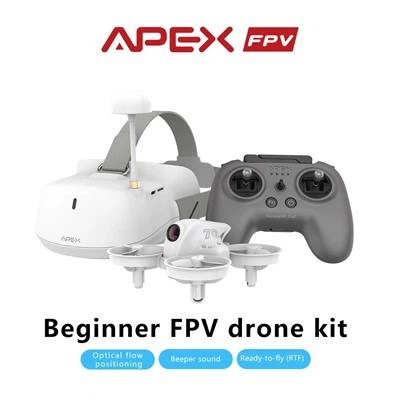
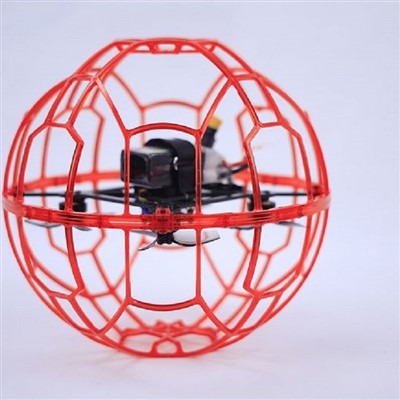
For younger beginners, pick models with altitude hold and speed levels. For coding integration, the [APEX G-125 Scratch and Python Programmable Coding Drone]suits ages ten and up, teaching both Scratch and Python on one aircraft with propeller guards and spare parts included for classroom durability.
Building a Routine That Sticks
Use a pre-flight checklist every time: check battery, inspect propellers, clear the area, announce takeoff. Power off before approaching after landing.
Indoor flight teaches spatial awareness, planning, and respect for hardware-skills that apply to larger drones and professional operations. Treat every session seriously to build a safe mindset for future flights.