When it comes to indoor FPV (First-Person View) drones, one of the most frequently asked questions is: "What is the maximum speed of an indoor FPV drone?" As a dedicated indoor FPV drone supplier, I've delved deep into this topic to provide you with comprehensive insights.
Understanding the Basics of Indoor FPV Drones
Indoor FPV drones are a marvel of modern technology. They are designed to navigate tight indoor spaces, offering an immersive flying experience through a first - person view transmitted to goggles or a monitor. These drones typically come in various sizes and configurations, each with its own set of features and capabilities.
The speed of an indoor FPV drone is influenced by multiple factors. Firstly, the motor power plays a crucial role. High - powered motors can generate more thrust, allowing the drone to accelerate quickly and reach higher speeds. Secondly, the weight of the drone is a significant factor. A lighter drone will generally be more agile and able to achieve higher speeds compared to a heavier one. Additionally, the aerodynamics of the drone's design can impact its speed. A well - designed drone with smooth lines and efficient airflow will encounter less resistance, enabling it to fly faster.
Factors Affecting the Maximum Speed
Motor and Propulsion System
The motor is the heart of an FPV drone. Brushless motors are commonly used in high - performance indoor FPV drones due to their efficiency and power. These motors can spin the propellers at high speeds, generating the necessary lift and thrust. For example, a high - quality brushless motor can spin propellers at speeds of up to 30,000 RPM (Revolutions Per Minute). The type and size of the propellers also matter. Larger and more efficient propellers can move more air, resulting in increased thrust and potentially higher speeds.
Battery Capacity and Voltage
The battery provides the power for the drone's motors. A higher - voltage battery can supply more power to the motors, enabling them to operate at higher speeds. For instance, a 3S (11.1V) lithium - polymer (LiPo) battery can provide more power than a 2S (7.4V) battery. However, it's important to note that using a higher - voltage battery also requires the drone's electronics to be compatible. Additionally, the battery capacity, measured in milliampere - hours (mAh), affects the flight time and the drone's ability to maintain high speeds. A larger capacity battery can supply power for a longer period, allowing the drone to fly at high speeds for a more extended time.
Drone's Weight and Design
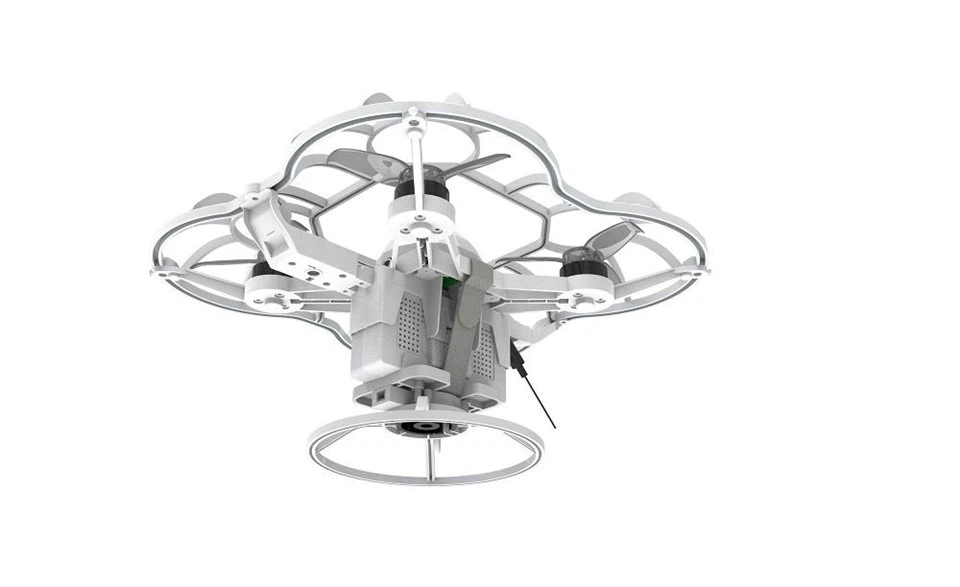
As mentioned earlier, the weight of the drone is a critical factor. Every additional gram of weight requires more power to lift and move the drone. Indoor FPV drones are typically designed to be as lightweight as possible without sacrificing durability. The frame design also affects the drone's speed. A compact and aerodynamic frame reduces air resistance. For example, some indoor FPV drones have a sleek, low - profile design that allows them to cut through the air with minimal drag.
Typical Maximum Speeds of Indoor FPV Drones
On average, most indoor FPV drones have a maximum speed in the range of 20 - 40 miles per hour (32 - 64 kilometers per hour). However, this can vary significantly depending on the factors mentioned above. Some high - end indoor FPV drones, especially those designed for racing, can reach speeds of up to 60 miles per hour (96 kilometers per hour) or even higher in short bursts.
For example, our Mini FPV Drone Load 50g is a lightweight and agile indoor FPV drone. With its powerful motor and optimized design, it can reach speeds of up to 30 miles per hour (48 kilometers per hour). This makes it perfect for indoor racing and acrobatic maneuvers.
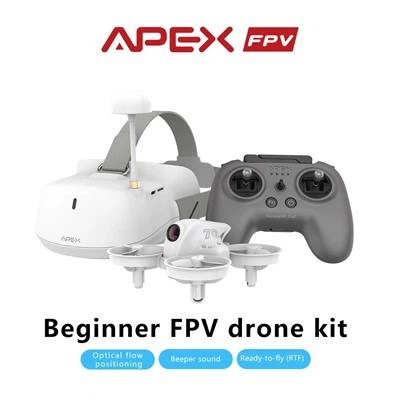
Another popular model, the FPV Drone Kit with Goggles Pink, is not only stylish but also packs a punch in terms of speed. It can achieve speeds of around 35 miles per hour (56 kilometers per hour), providing an exciting flying experience for both beginners and experienced pilots.
Our FPV Drone Brushless with Camera is a high - performance indoor FPV drone. Equipped with a brushless motor and a streamlined design, it can reach speeds of up to 45 miles per hour (72 kilometers per hour). This makes it ideal for those who want to capture high - speed action in an indoor environment.
Safety Considerations at High Speeds
While high - speed flying can be thrilling, it also comes with its own set of safety risks. When flying an indoor FPV drone at high speeds, there is a greater chance of collisions. The impact of a high - speed collision can cause significant damage to the drone and potentially injure people or damage property. Therefore, it's essential to fly in a large, open indoor space with no obstacles. It's also advisable to wear protective gear, such as goggles and gloves, to prevent injuries in case of an accident.

Pushing the Limits: Modifications for Higher Speeds
For those who want to push the speed limits of their indoor FPV drones, there are several modifications that can be made. Upgrading the motor to a more powerful one can increase the thrust and, consequently, the speed. Switching to a higher - voltage battery and more efficient propellers can also have a significant impact on the drone's speed. However, it's important to note that these modifications may void the drone's warranty and require a certain level of technical expertise.
Contact for Purchase and Consultation
If you're interested in purchasing an indoor FPV drone or have any questions about their speed, performance, or customization, we're here to help. Our team of experts can provide you with detailed information and guidance to ensure you find the perfect drone for your needs. Whether you're a beginner looking for an entry - level drone or an experienced pilot seeking a high - performance model, we have a wide range of products to choose from.
References
- Anderson, D. F., & Eberhardt, S. (2001). Understanding Flight. McGraw - Hill.
- Hall, J. (2015). Introduction to Unmanned Aircraft Systems. Wiley.
- Johnson, B. (2018). FPV Drone Racing: A Beginner's Guide. CreateSpace Independent Publishing Platform.