Do I need a license to fly an FPV drone?
As a supplier of FPV drones, I often get asked this question by both hobbyists and professionals. The answer isn't straightforward, as it depends on various factors such as the country you're in, the purpose of the flight, and the weight of the drone. In this blog post, I'll break down the licensing requirements for flying FPV drones and provide some insights to help you navigate the regulations.
Understanding FPV Drones
First, let's clarify what FPV drones are. FPV stands for First - Person View, which means that the pilot can see from the drone's perspective through a video feed. This immersive experience allows for more precise control and is popular in racing, aerial photography, and other applications. FPV drones come in different sizes and configurations, from small, lightweight models suitable for indoor flying to larger, more powerful ones designed for outdoor use.
Licensing Requirements by Country
United States
In the United States, the Federal Aviation Administration (FAA) regulates drone flights. If you're flying an FPV drone for recreational purposes, you generally don't need a license as long as you follow the FAA's Recreational Flyer Guidelines. These guidelines include flying below 400 feet, keeping the drone within visual line - of - sight, and avoiding restricted airspace.
However, if you're using the FPV drone for commercial purposes, such as aerial photography for a client or inspecting infrastructure, you'll need to obtain a Remote Pilot Certificate. This involves passing an aeronautical knowledge test and meeting other requirements set by the FAA.
European Union
The European Union has a unified set of drone regulations. For drones weighing less than 250 grams, flying for non - commercial purposes usually doesn't require a license. But for heavier drones or commercial flights, operators need to comply with more stringent rules. There are different categories of operations, and depending on the level of risk associated with the flight, you may need to obtain an operator ID, a remote pilot certificate, or follow specific safety procedures.
Other Countries
Each country has its own set of regulations regarding drone flights. Some countries may have very strict rules, while others may be more lenient. It's crucial to research the local laws before flying your FPV drone. For example, in some countries, you may need to register your drone with the aviation authority, regardless of whether it's for recreational or commercial use.
Factors Influencing Licensing
Drone Weight
As mentioned earlier, the weight of the drone is a significant factor in determining licensing requirements. Lighter drones are generally subject to fewer regulations because they pose less risk in case of an accident. Heavier drones, on the other hand, may require more extensive safety measures and licensing.
Flight Purpose
Whether you're flying the FPV drone for fun or for work makes a big difference. Recreational flights are often subject to fewer restrictions, while commercial flights need to adhere to more comprehensive regulations to ensure safety and accountability.


Flight Location
The location where you plan to fly your FPV drone also matters. Flying near airports, military installations, or other restricted areas is strictly prohibited in most countries. Additionally, some urban areas may have specific rules regarding drone flights to protect the privacy and safety of the public.
Our FPV Drone Offerings
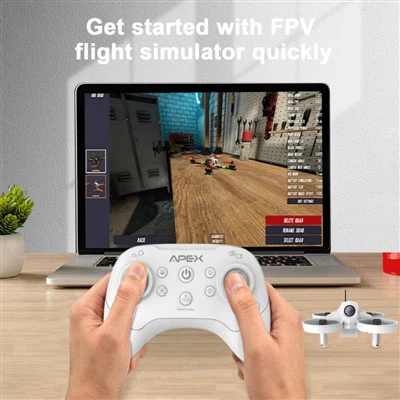
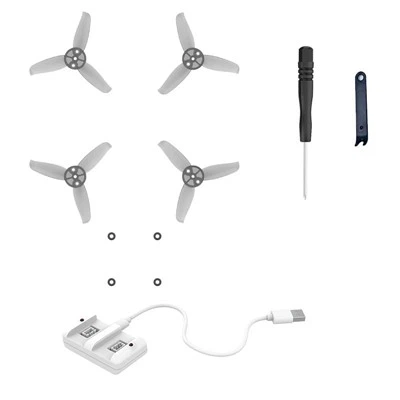
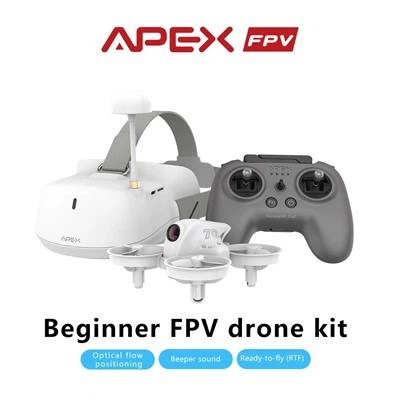
At our company, we offer a wide range of FPV drones suitable for different needs. If you're new to FPV flying, our FPV Drones Kit for Training is a great choice. It comes with everything you need to get started, including a drone, a controller, and a video goggle set.
For those looking for something more advanced, our FPV Drone with Shouting Device is a unique option. This drone is equipped with a shouting device, which can be useful in certain applications such as search and rescue or crowd control.
If you want a hassle - free flying experience, our FPV Drone Kit Ready To Fly is the way to go. It's pre - assembled and calibrated, so you can start flying right out of the box.
Importance of Complying with Regulations
Complying with drone regulations is not just about avoiding fines. It's also about ensuring the safety of the public, other aircraft, and yourself. By following the rules, you can help build a positive image for the drone community and prevent any negative incidents that could lead to more restrictive regulations in the future.
How to Stay Informed
Regulations regarding FPV drones are constantly evolving. To stay informed, you can follow official aviation authorities' websites, join drone enthusiast groups, and subscribe to industry newsletters. This way, you'll always be up - to - date with the latest rules and guidelines.
Contact Us for Procurement
If you're interested in purchasing our FPV drones, we're here to assist you. Whether you're a hobbyist looking for your first FPV drone or a professional in need of a high - performance model for commercial use, we have the right product for you. Please reach out to us to start a procurement discussion, and our team will be happy to provide you with detailed information and support.
References
- Federal Aviation Administration (FAA), United States
- European Union Aviation Safety Agency (EASA)
- Local aviation authorities of different countries